
The first time I planned an Iberian trip, I had a spreadsheet open and two browser tabs that refused to agree. One promised Portugal was the budget darling of Western Europe. The other swore Spain had quietly become just as cheap, if you knew where to point yourself. Both were a little right, which is the least helpful answer when you are trying to book.
So I did what I always do before committing the family to anything: I broke the trip into the parts we actually pay for. Not headline “average daily budgets,” which hide a multitude of sins, but the line items, a coffee, a metro ticket, a bed for four, a plate of something good at 8pm. That is where the real difference lives, and where I jot the illustrative numbers below so nobody in my house is surprised at the cash machine.
Food: where Portugal pulls ahead
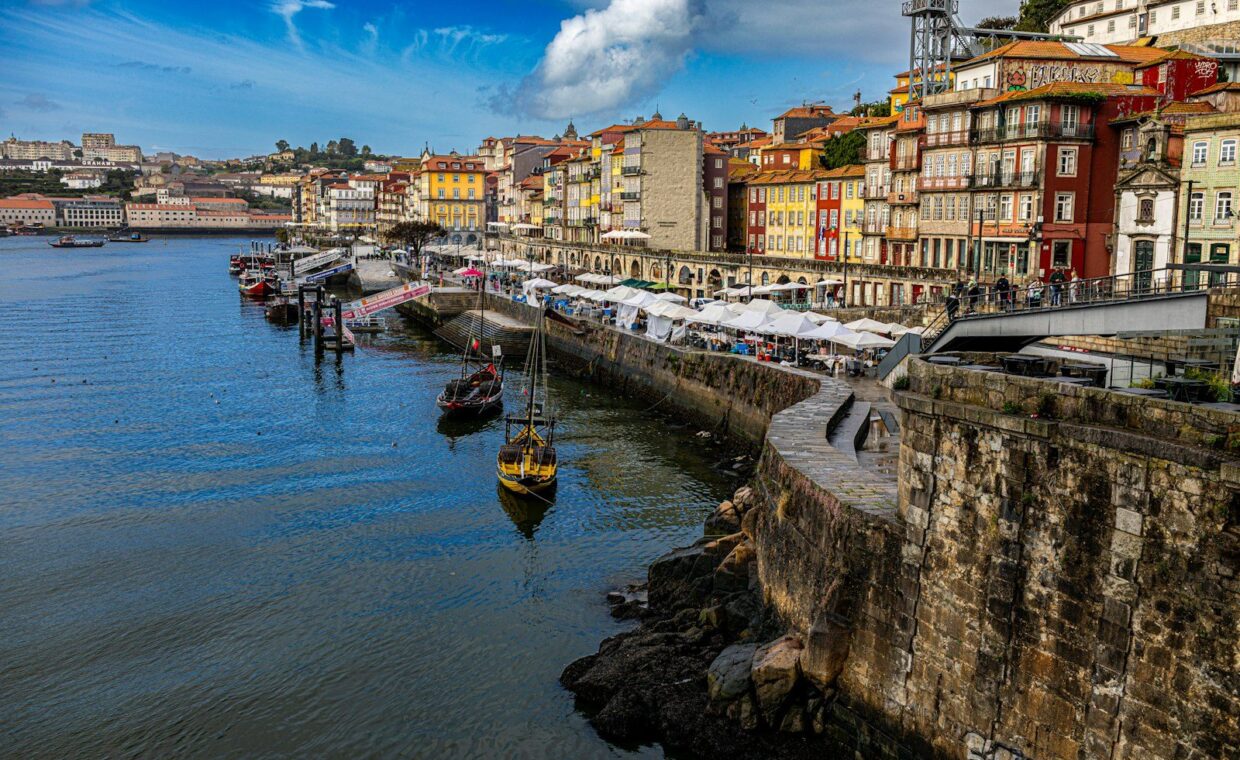
If you eat the way locals do, a proper sit-down lunch as the main meal, something lighter at night, Portugal is reliably the cheaper plate. The prato do dia, the daily set lunch, is the single best budget tool in the country: a main, often a drink, sometimes soup or coffee, for somewhere around 8 to 10 euros in a normal neighbourhood place. I have fed two adults and two children a full midday meal in Porto for less than a single restaurant main back home.
Spain matches this trick with its menú del día, and on paper they look like twins. In practice the Spanish version tends to land a euro or three higher in cities like Madrid or Seville, and the gap widens the closer you get to the coast in summer. A weekday menu that runs 11 to 14 euros in Spain is often 9 to 11 in comparable Portuguese towns. Groceries are closer to even, a self-catered breakfast costs roughly the same in both.
Eat your big meal at lunch in both countries. The same dish at dinner can cost 30 to 50 percent more, and set lunch menus usually include a kid-friendly option without a separate “children’s menu” markup.
Getting around: Spain’s trains, Portugal’s short hops
This category surprises people, because it flips the story. Spain’s intercity transport is genuinely excellent value for the distance covered. The budget high-speed lines, the no-frills services between Madrid, Barcelona, Valencia and Seville, can be astonishingly cheap booked a few weeks out, sometimes 15 to 25 euros for a journey that would be three times that in France.
Portugal is smaller, so you cover less ground, but the per-kilometre value is not as strong. The Lisbon–Porto train is comfortable and frequent, yet a same-week fare often sits around 25 to 35 euros each way, and regional connections can be slow.
Inside cities it evens out again, a single metro ride is roughly 1.50 to 2 euros in both Lisbon and Madrid. If your trip is mostly one base plus day trips, the country barely matters here. If it is a sprawling route, Spain quietly wins. For country-hopping where every leg has to justify itself, the same discipline I describe in our budget-conscious Balkans route applies cleanly to Iberia: book the long legs early, keep the short hops flexible.
Beds: the closest race of all
Accommodation is where the two countries are nearly indistinguishable, and where your own choices matter far more than the border. A clean hostel dorm bed runs about 18 to 30 euros a night in both, higher in Lisbon, Barcelona and any beach town in July. A simple private double sits around 55 to 85 euros by city and season.
For families and pairs, the maths of dorm-versus-private is the real decision, not Portugal-versus-Spain. Once you are paying for three or four dorm beds, a private room or small apartment often costs the same and adds a kitchen, which loops back into the food savings above. We walk through when that switch pays off in the dorm-versus-private-room breakdown, and the logic holds identically on both sides of the border.
Both countries roughly double their coastal accommodation prices between June and early September. A 60-euro room in the Algarve or on the Costa Brava in May can be 110-plus in August. Travel the shoulder weeks and either country becomes noticeably cheaper than the other does in peak.
The day-to-day numbers, side by side
Here is how a modest but comfortable day looks in each country, a set lunch, self-catered breakfast, local transport, a light dinner, and a per-person share of a mid-range bed. These are illustrative figures for travel outside peak season, not a promise.
| Daily category (per person) | Portugal | Spain |
|---|---|---|
| Set lunch (main meal) | ~€9 | ~€12 |
| Breakfast + coffee | ~€4 | ~€4.50 |
| Light dinner / tapas | ~€10 | ~€12 |
| Local transport | ~€3 | ~€3 |
| Bed (share of private room) | ~€32 | ~€33 |
| Intercity travel (averaged) | ~€10 | ~€7 |
| Rough daily total | ~€68 | ~€71.50 |
The headline: Portugal comes out a touch cheaper day to day, mostly on food, but the margin is narrower than its reputation suggests. Spain claws much of it back the moment you start moving between cities by train. For a single-base trip, Portugal edges it; for a multi-stop loop, the two essentially draw.
Which wins, and for whom
I do not think there is one answer, so here is who I would point where. Portugal is the calmer, slightly cheaper pick if you want to settle into one or two places, Lisbon with a day trip to Sintra, or Porto and the Douro, eat extremely well for very little, and not stress about logistics.
Spain is the better value if your trip is built on distance: three or four cities, long train legs, a route that crosses the map. The cheap high-speed rail turns an itinerary that would be expensive anywhere else into an affordable one, and the food gap is small enough that it never undoes the saving.
And if you are weekend-hopping rather than committing to a full Iberian fortnight, both countries are full of short-break bargains that punch above their price, the same value in our roundup of cities where a weekend costs less than dinner back home. Seville, Porto, Granada and Valencia all belong on that list.
Portugal is marginally cheaper per day, led by food, and ideal for slower, single-base trips. Spain is the smarter pick for multi-city routes thanks to cheap fast trains. Your travel style decides this more than the country does.
A short pre-booking checklist
Before you lock anything in, I run the same five-line check for either country:
- Map your meals, plan to eat the main meal at lunch in both countries; it is the biggest single saving.
- Book long train legs early, especially in Spain, where advance fares are dramatically cheaper than walk-up.
- Decide dorm or private up front, for two or more people, price both; the private room often wins on total cost.
- Avoid peak coastal weeks, shift beach time to May, June or September and both budgets drop.
- Carry a transit card, not paper tickets, small per-ride savings that add up over a week.
Is Portugal really cheaper than Spain overall?
Slightly, and mostly on food. Set lunches and casual dinners tend to run a couple of euros less in Portugal. But Spain’s cheap intercity trains narrow the gap on any trip that involves a lot of travel between cities, so the difference is smaller than most people expect.
What is a realistic daily budget for either country?
Outside peak season, a comfortable but careful traveller can plan for roughly 65 to 75 euros a day per person, covering a set lunch, light dinner, local transport and a share of a mid-range room. Peak-summer coastal stays push that meaningfully higher.
Which country is better for a family on a budget?
Portugal has a small edge for families who base themselves in one or two spots, thanks to cheaper set lunches and easy kitchen-equipped apartments. Spain works better for families who want to cover more ground, since the affordable fast trains keep moving costs low.
If I had to book tomorrow, I would lean Portugal for a relaxed week and Spain for an ambitious one, and lose no sleep over either choice. Both let a modest budget go a long way, which is more than most of Western Europe can say. Pick the trip that matches your pace, and the costs mostly take care of themselves.