
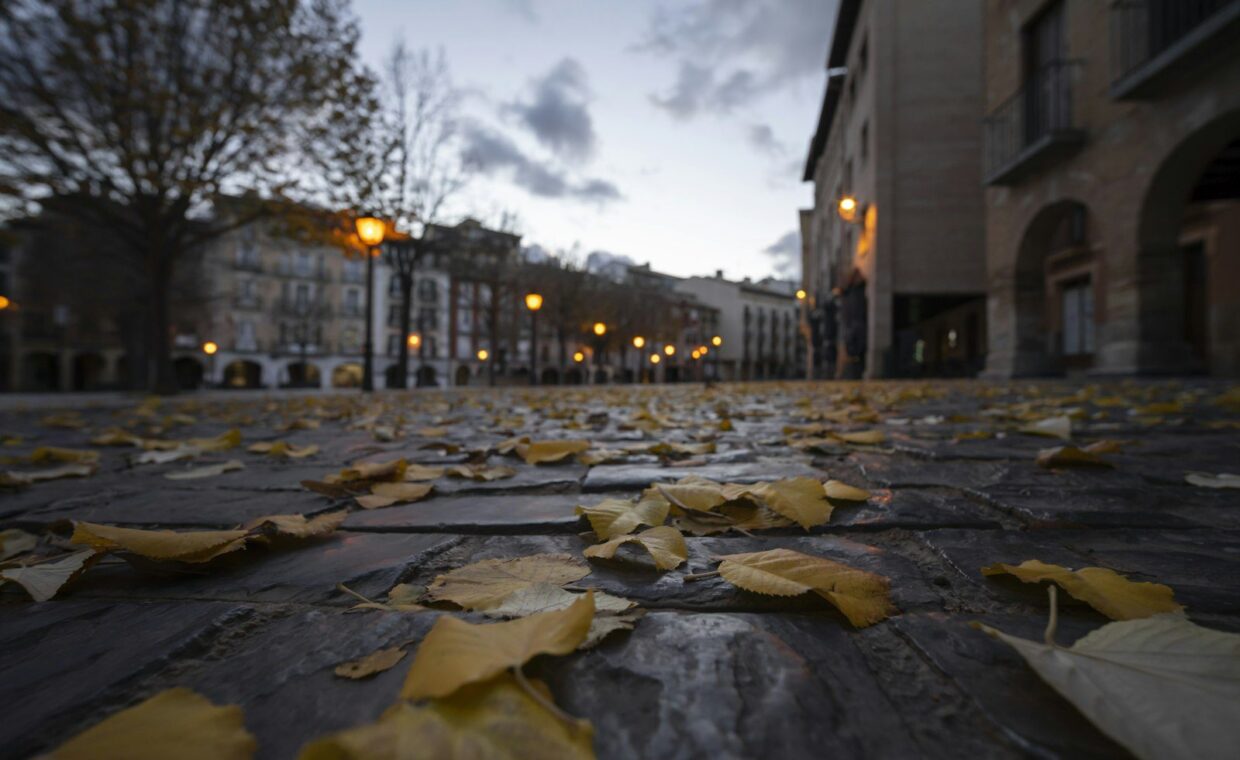
Two Octobers ago I stood in a plaza in Seville at 11am with maybe nine other people in it. In August that same square is a slow-moving wall of sun hats. My room three streets away cost 38 euros a night. A friend who’d been there ten weeks earlier paid 121 for the same building, same noisy fan.
Same city, same sun, roughly a third of the price. The only thing that changed was the calendar.
That gap has a name, and most travelers either don’t know it exists or aim for the wrong end of it. So let me lay out what shoulder season is, why it works, and where the savings actually come from, because it isn’t where people think.
What “shoulder season” actually means
Shoulder season is the few weeks on either side of a destination’s peak. For most of Europe that’s roughly late April to mid-June, then September into October. For Southeast Asia it’s the edges of the dry season. For ski towns it’s the slush weeks before the lifts spin and just after they stop.
It is not the off-season, and that distinction matters more than anything else here. Off-season is January in a Greek island town with three restaurants open and a ferry twice a week. Shoulder season is May in that same town: ferries daily, everything open, half the crowd, lower prices.
Shoulder season is when demand has dropped but the infrastructure hasn’t shut down yet, peak-season access at close to off-season prices.
Why the prices actually fall
People assume hotels just feel generous in May. They don’t. The drop is mechanical, and understanding it tells you when to book.
Accommodation runs on occupancy targets. In August a guesthouse is at 95 percent and prices high, someone always pays it. In late September it might be at 55 percent, and an empty room earns nothing, so the rate drops to pull in the price-sensitive traveler. That’s you.
Flights run on the same logic with sharper edges. A Lisbon–Berlin return I tracked one year ran about 180 euros in early August and 74 in late September. Same airline, same route. The plane costs the same to fly either week, the seat price is pure demand.
To see this across two whole countries before you commit, the day-to-day numbers in this breakdown of Portugal versus Spain costs make the swing obvious, the same trip in May and August can differ by 40 percent before your first coffee.
The part nobody tells you: weather is usually fine
The biggest myth about shoulder season is that you trade good weather for cheap prices. Mostly you don’t.
Peak is set by school holidays and habit, not by the best weather. July and August in southern Spain are brutal, 40°C, too hot to walk a city between noon and 5pm. May and late September are mid-20s and blue sky, perfect for being outside all day. The best-weather months are often the shoulder months. Peak is just when everyone is free to travel.
That said, the edges are real. Book the outer fringe, early April in the Alps, late October on a Greek island, and you’re rolling dice on rain and businesses winding down. The sweet spot inside the sweet spot is the inner two or three weeks, closest to peak.
Look up peak season, then count two to three weeks outward from each edge. That inner band is where prices have dropped but the weather and open-for-business reality still mirror peak. Going further out saves a little more and risks a lot more.
An example, start to finish
Let me run one concrete trip so the abstract stuff lands. Say you want a week in the Algarve. Peak is July–August. Walk forward three weeks and you’re in late September, still shoulder season, still warm.
In peak, a decent guesthouse runs maybe 95 euros a night, the town is packed, and rental cars are scarce. In late September the same room is around 55, the beach is calm, the sea is still warm, and cars sit unbooked. Across seven nights that room gap alone is roughly 280 euros, before the cheaper flight, the cheaper car, and the restaurants with no two-hour wait. None of it required a deal or a hack, just moving the trip three weeks.
Where shoulder season doesn’t work
I won’t pretend this is a universal cheat code. It has clear failure modes, and ignoring them costs you.
First, event-driven destinations. A city hosting a festival, conference, or marathon has its own micro-peak unrelated to the calendar. Munich in late September isn’t shoulder season, it’s Oktoberfest, and prices triple. Check the local event calendar before you trust the season.
Second, some places barely have a shoulder. Tropical destinations with a hard wet/dry split don’t ease gently, the rain arrives, and that’s off-season. A few always-in-demand capitals stay pricey year-round, too; the swing is real but smaller.
Third, the deep-discount countries. On something like a tight Balkans route built to stay under 50 dollars a day, the seasonal markup was small to begin with, so the saving is a few dollars rather than a transformation. The crowd-avoidance is still worth timing for.
Two things kill a shoulder-season plan: a local event you didn’t know about, and going so far out that ferries, lifts, or half the restaurants have shut for the season. Five minutes on the events page and the seasonal opening hours saves the trip.
The crowd savings are real money too
It’s easy to treat empty streets as a nice bonus on top of the cash savings. They’re more than that, fewer crowds quietly lower your spending in ways no price tag shows.
In peak, the restaurant by the cathedral is the only one with a free table, so you eat there at tourist prices. In shoulder season you walk into the place locals actually use, two streets back, for half the bill. You turn up instead of paying a timed-entry surcharge, and you skip the pricey air-conditioned tour because the heat isn’t a problem.
The accommodation is better too. When a hostel runs at half capacity you get the good bed and staff with time to help, and the features that separate a great hostel night from a sleepless one are far easier to land when you have your pick of rooms.
How to find the shoulder for any destination
You don’t need a special tool. Here’s the quick method I use for somewhere new.
Find the peak, the month flights and hotels cost the most; a price calendar shows it in thirty seconds, expensive months glowing red. Then take the two to three weeks bracketing peak on each side: that’s your shoulder. Cross-check the weather averages so you know what you’re walking into, and scan for any festival that creates a false peak. Five minutes, no spreadsheet.
Do that and you stop paying the “everyone else is here right now” tax, the biggest avoidable line item in most trips.
Is shoulder season the same as off-season?
No, and confusing the two is the costly mistake. Off-season is when a destination partly shuts down, fewer ferries, closed restaurants, dead-quiet towns. Shoulder season is the weeks beside peak: prices have dropped but everything is still open.
How much can I realistically save?
For a normal-cost destination, expect roughly 30 to 40 percent off accommodation and flights versus peak, plus quieter spending day to day. In already-cheap countries the cash saving is smaller, but you still dodge the crowds. Numbers like these are illustrative, they swing by route and city.
Won’t the weather be bad?
Usually not, if you stay in the inner shoulder weeks closest to peak. Peak season is set by school holidays, not ideal weather, so the shoulder months are often more comfortable. Go to the far edges and you do start risking rain and cold.
Shoulder season isn’t a trick, it’s just declining to travel at the exact moment everyone else does. Pick the weeks beside peak, check for a stray festival, and don’t drift so far out the place closes around you. You’ll pay less, line up for nothing, and have the plaza half to yourself.