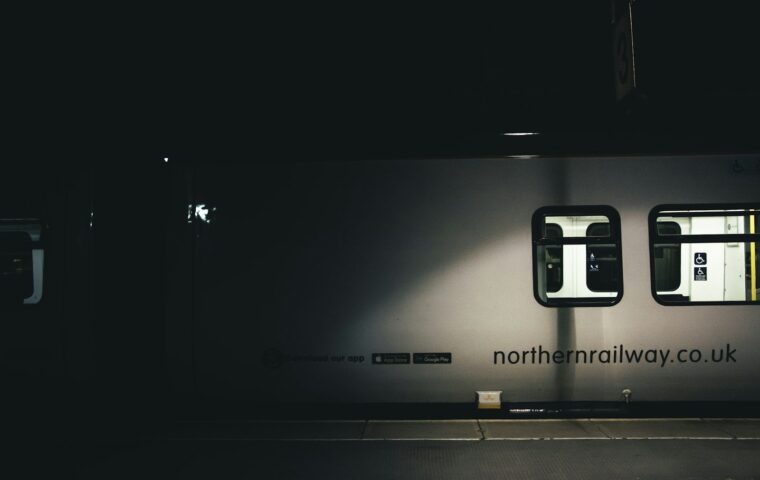

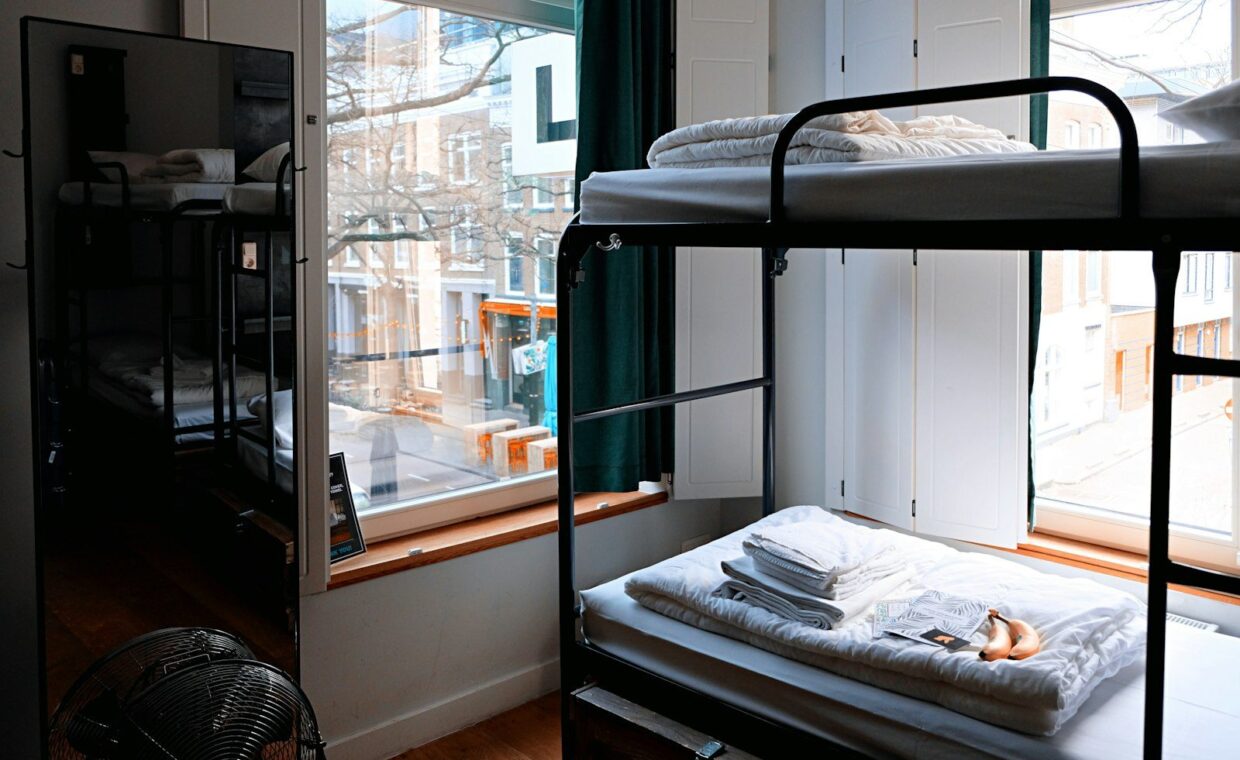
The cheapest bed I ever booked cost me a missed train. Eight-bed dorm in Kraków, around $11 a night, which felt like a steal until a stag party rolled in at 3am and a guy named Wojtek decided 4am was the right time to repack his entire bag by phone-torch. I overslept, missed a $9 regional train, and rebooked the same route for $34. So my $11 bed actually cost me $36 once you do the honest arithmetic.
That’s the trap with budget accommodation. We compare the headline numbers, dorm bunk versus private room, and stop there. But the bed price is only one line on the receipt. The real comparison is total cost of the night, and sometimes the room that looks pricier leaves more money in your pocket the next morning.
I’ve stayed in both for hundreds of nights, so let me show you exactly where each one wins.
What you’re actually paying for
A dorm bed buys you a mattress and a slice of shared space. A private room buys you the same mattress plus a door that locks, control over the light and noise, and somewhere to leave your stuff without a second thought. Those last three things have a cash value, even if the booking page doesn’t print it.
Here’s a typical European city example with numbers I’ve paid more than once: a dorm bunk runs roughly $20, a private double in the same hostel runs around $55. Looks like a clear $35 gap. But the dorm often tacks on a $3 locker padlock, you’ll likely buy a $4 coffee out because you can’t make one at 7am without waking ten strangers, and there’s a real chance you lose a chunk of a sleep you paid for.
True cost of a bed = nightly price + add-on fees + replacement sleep + risk of a thing going wrong. Run that, not the sticker price, and the comparison changes for a lot of trips.
The price gap, broken down
Here are real figures from my own bookings across Portugal, Hungary, and Vietnam, dorm versus the cheapest private, per person, assuming two of you split the room.
| Cost line | Dorm bed (solo) | Private room (per person, 2 sharing) |
|---|---|---|
| Nightly bed price | ~$20 | ~$28 |
| Locker / padlock | ~$3 | $0 |
| Earplugs, eye mask, “I-gave-up” coffee | ~$5 | $0 |
| Rough odds of a wrecked night | 1 in 4 | 1 in 20 |
| Realistic all-in per person | ~$28 | ~$28 |
Read that bottom row again. For two people sharing, the private room landed at basically the same real cost as a dorm, and nobody had to sleep listening to a stranger’s sleep apnea. The dorm only stays genuinely cheaper when you’re travelling solo and the bed price gap is wide.
When the dorm is the right call
I’m not anti-dorm. For a lot of trips it’s plainly the better buy, and not only on price.
You’re solo and the gap is big. If a dorm is $15 and the private is $70, that $55 nightly premium is real money, over a week that’s a flight. Pay it only if you’ve got a specific reason.
You actually want the people. First solo trip, new to a city, want someone to split a taxi or grab dinner with, a good dorm is a social machine. I’ve made friends in dorm kitchens I still travel with. A private room can be quietly lonely in a way the spreadsheet never warns you about.
You’re barely there. Crashing at 1am, gone by 7am to catch a sunrise hike? You’re renting six hours of unconsciousness. Don’t pay private-room money for a room you’ll only see in the dark. The same logic is why an night train or sleeper bus that doubles as your bed can beat both options outright on the nights you’re in transit anyway.
Bottom bunk, far from the door and the bathroom, away from the window. Filter for 4–6 bed rooms over 12-bed cattle sheds. A $2-a-night-pricier small dorm is the single best money-for-sleep upgrade in budget travel.
When paying more for a private room saves you money
This is the part the headline price hides. Several common situations flip the math entirely.
You’re travelling as a pair (or more). The instant you split a private room two ways, the per-person price often crashes to dorm territory, see the table above. Two dorm beds at $20 each is $40; a private double at $50 is $25 a head. You pay less and get a door. There is rarely a reason for a couple to book separate dorm bunks.
You’re working, or you have a high-stakes morning. If a blown night costs you a missed flight, a botched video interview, or a $90 rebooked train, the $30 premium is cheap insurance. I now book a private room automatically the night before any flight I can’t miss. The one time I didn’t, a dorm-mate’s 5am alarm went off six times and I missed a bus to the airport.
You’re staying a while. Over one or two nights, dorm noise is survivable. Over two weeks, sleep debt compounds and you start spending on bad coffee, lazy taxis, and skipped free walking tours because you’re too fried to move. On longer stays the private room often pays for itself in better decisions, and you can usually knock the rate down further by asking about a weekly or monthly long-stay discount that dorms almost never offer.
The cost of a wrecked night isn’t the night itself. It’s the day after, the experiences you skip, the impatient $25 cab instead of the $2 tram, the meal you overpay for because you can’t be bothered to walk. That’s the line that quietly drains a budget.
The destination changes the math
Where you are matters as much as who you’re with. In pricey Western Europe, the dorm-to-private gap is wide, so solo travellers lean dorm. In much of Southeast Asia or the Balkans, a private room can be $14, less than a dorm bed in Amsterdam, and the calculation barely exists. There, I almost always take the room.
It even shifts between two neighbours. If you’re weighing a trip and trying to figure out where your nightly budget stretches, it’s worth reading a head-to-head like how Portugal and Spain compare on day-to-day cost before you assume the dorm is the only affordable option, in cheaper bases, the private room often is the budget choice.
So which one wins?
There’s no single answer, which is exactly why the headline price is the wrong thing to compare. Match the bed to the trip:
- Solo, short, social, expensive city, dorm. Take the small dorm, not the mega-room.
- Two-plus people, anywhere, private room, almost always, because per-person it’s a wash or cheaper.
- Important morning or remote work, private room. The premium is insurance you’ll be glad you bought.
- Cheap destination, private room, because it’s barely more than the dorm.
- Long stay, private room with a negotiated weekly rate.
Is a hostel dorm always cheaper than a private room?
Only for solo travellers in expensive cities. The moment two people split a private room, the per-person cost usually matches or beats two dorm beds, and you get privacy and security for free.
How much more should I expect to pay for a private room?
In Western Europe, budget on roughly $25–$45 more per night than a single dorm bed. In Southeast Asia, the Balkans, and similar regions, the gap is often just a few dollars, sometimes the private room is actually cheaper than a city-centre dorm.
What’s the cheapest way to get privacy without booking a full private room?
Look for “pod” or capsule-style dorms with curtains and a personal light, or book the smallest dorm available (4 beds). You can also message the hostel and ask whether a private has gone unsold close to your date, they’ll often drop the rate to fill it.
Stop comparing the sticker prices. Add up the locker, the lost sleep, and the day you’ll have if you don’t sleep, then decide. Some nights the $11 bunk is perfect. Other nights, the room that costs $30 more is the cheapest thing you’ll book all trip, I’ve got a missed train in Kraków to prove it.