
The first time a place ambushed my budget, I was on a Santorini terrace at golden hour with a glass of dry Assyrtiko, watching the caldera turn the colour of a peach. The wine was good. The view was unfair. The bill, when it landed, cost more than two nights of my accommodation. I’d come here because someone online swore Greece was “so affordable.”
That is the trap. A destination earns a cheap reputation from one true fact, buses cost cents, a gyros is pocket change, and then a hundred small leaks drain you anyway. The headline price is real; the lived price is something else. The damage rarely comes from one big splurge. It arrives in ferry surcharges, “sunset view” markups, and the slow tax of being somewhere everyone else also thinks is a bargain.
Here are five places that cost more than their reputation promises, what does the draining, and the fix that keeps each one inside your budget.
1. Bali, the cheap island with a transport tax
Bali sells itself on $8 guesthouses and $2 nasi goreng so fragrant you eat it twice. Both are true. What nobody mentions is that the cheap things sit forty minutes apart, on roads where ride-hail apps are blocked outside the airport, so you’re funnelled toward drivers quoting tourist rates.
Why it drains you: A day of temple-hopping with a hired car and driver runs around $50–60. Do that four times in a week and your transport bill quietly outweighs every meal and bed combined. The food was cheap; getting to the food was not.
The fix: Rent a scooter for roughly $5 a day if you can ride confidently, and base yourself somewhere walkable, Ubud’s centre or a single beach town, rather than hotel-hopping. Cluster your sights by region so one driver-day covers four temples, not one. The leak isn’t the island; it’s the distance between the bargains.
2. Reykjavik, where the bargain is the flight, not the trip
Iceland lures you with a fare so low it feels like a glitch. Then you land, order a bowl of lamb soup that smells like a mountain, and pay $24 for it. The flight was the bait; the ground costs are the hook.
Why it drains you: Almost everything imported, which is almost everything, carries a steep markup. A modest dinner for two with one beer each can clear $90 without trying. Three days of restaurant meals erases whatever you saved on the cheap ticket, and then some.
Rental-car insurance in Iceland is its own ambush. Gravel and ash protection are often sold separately, and skipping them on a Ring Road trip is how a “cheap” car becomes a four-figure repair bill.
The fix: Cook. Guesthouses here have generous kitchens precisely because everyone learns this lesson. A trip to the Bónus supermarket, the one with the cartoon pig, turns three daily restaurant bills into one. Drink the tap water; it’s glacial and free. Treat eating out as the occasional event, not the default.
3. Dubrovnik, paradise priced for the cruise crowd
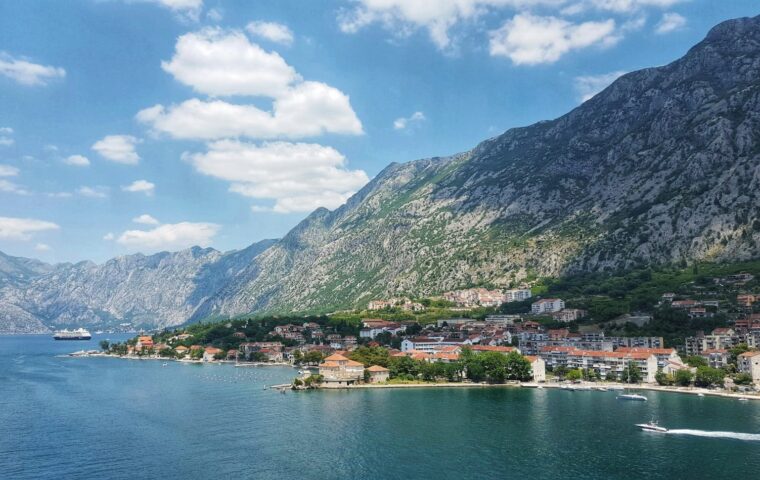
Croatia broadly is gentle on a budget. Dubrovnik is not Croatia broadly. The old town is a honey-coloured stone labyrinth, and on a summer afternoon it holds the body heat of six thousand cruise passengers, all funnelled past the same overpriced terraces.
Why it drains you: A coffee inside the walls costs three times what it does two streets uphill. The city walls themselves are around €35 just to walk. Seafood pasta with a “view” can run €25 for a plate that costs €11 inland. You pay a premium for the postcard, ingredient by ingredient.
The fix: Sleep outside the walls, Lapad or Gruž, where a room costs a fraction and a bakery burek still costs loose change. Visit early, before the ships disgorge, then eat where locals do. For the genuinely affordable side of the region, you’ll find more value in the less-trodden capitals further east, where a full dinner costs what a Dubrovnik coffee does.
4. Tulum, the backpacker town that went boutique
Tulum still carries a hippie, hammock-and-cenote reputation from a decade ago. The reality now is beach clubs charging $30 for a cocktail and “eco” cabanas, often without reliable electricity, billing $250 a night for the privilege of being barefoot.
Why it drains you: The beach strip is priced in dollars, deliberately, and pegged to a clientele who aren’t counting. A taxi from the town to the beach is a flat, non-negotiable tourist rate. Two dinners on the sand can cost more than a week of street food in the same state.
This is the broader misunderstanding worth naming: a country being cheap on average tells you almost nothing about a specific town. It’s worth understanding what actually makes a destination cheap beyond the exchange rate, because Tulum shares a currency with places that cost a quarter as much.
The fix: Stay in Tulum Pueblo, the actual town, not the beach hotel zone, and cycle the flat road to the sand for the cost of a $6 bike rental. Eat tacos al pastor at a pueblo stand for a couple of dollars. Swim the free or cheap cenotes early. The beach clubs are optional; the markup is not.
5. Marrakech, the cheap medina with an upsell engine
Marrakech smells like saffron, dust, and grilled lamb, and the headline costs are genuinely low. A bowl of harira is a dollar. A riad room can be modest. The drain here is friction: a constant, gentle pressure to pay more than the real price for everything you touch.
Why it drains you: First prices in the souk routinely run three to five times the fair rate. “Guides” attach themselves and expect tips. The taxi from the airport may quote ten times the metered fare. Each individual overpay is small; across a week, the accumulated tourist tax is what hollows out the budget.
Decide your walk-away price before you ask. Halve the first number, smile, and be willing to leave, the second, lower price almost always follows you out the door. The bargaining isn’t rude here; it’s the actual mechanism of pricing.
The fix: Agree every taxi fare before the door shuts, or insist on the meter. Learn the price of three staples, mint tea, a tagine, a bottle of water, so you have an anchor. Eat at the Jemaa el-Fnaa food stalls where prices are posted and the lamb is spectacular. The medina is affordable once you stop accepting the first number.
How to spot the next one before it bites
The pattern repeats. A place is cheap for residents and for influencers on comped trips, and the gap between those realities is where your money goes. Before booking somewhere “everyone says is cheap,” check the cost of what you’ll do daily, a sit-down dinner, a short taxi, the headline attraction, not just the rock-bottom street snack.
The travellers who never get caught are usually the ones spending longer in fewer places. Slow travel smooths these spikes: weekly rates, a kitchen, a bike, and time to learn local prices. One reader funded a whole summer this way, stringing together house-sits and long stays, the story of how she lived three cities rent-free across one season is a useful counterweight to the beach-club math.
Are these destinations not worth visiting at all?
They absolutely are, they’re stunning. The point isn’t to skip them; it’s to budget for the real cost, not the reputation. Each becomes affordable once you sidestep the specific leak rather than assuming it doesn’t exist.
How do I estimate the true daily cost before I go?
Price three things you’ll do every day: a normal restaurant dinner, one short taxi, and the main paid attraction. Multiply by your days. That number predicts your trip far better than the cheapest possible meal does.
Is staying outside the tourist centre really worth the hassle?
Almost always. A neighbourhood twenty minutes out often halves your room and food costs while showing you a more honest version of the place. The short commute pays for itself by lunch on day one.
None of this is about being stingy. I still ordered that Santorini wine, and I’d order it again. It’s about knowing where the money goes so the surprise lands on the view, not the bill. Spot the leak, plug it, and these destinations hand back the bargain they always promised.