The first time I paid for a sit-down dinner in Sofia, two courses, a glass of local red, the works, I handed over the equivalent of about twelve dollars and then stood on the pavement convinced I’d misread the bill. I hadn’t. I just wasn’t used to a capital city where the prices behaved like a small town that happened to have an opera house.
That gap is why I keep going back to Eastern Europe. You get the grand boulevards, the late-night tram rides, the museums and riverside bars, the full big-city experience, without the big-city damage to your account. The catch is that everyone funnels toward the same three or four famous names, which is exactly where prices have crept up.
So here are the capitals I send friends to instead, the ones still flying under the radar, where a modest daily budget feels almost indulgent. I’ve ordered them loosely from easiest-to-reach to most off-grid, and kept the numbers illustrative; exchange rates wobble, and your week will look different from mine.
Not “nobody goes”, these all have airports and English menus. I mean the capitals that deliver a proper city break for roughly half what you’d spend in Prague or Vienna right now.
1. Sofia, Bulgaria
Sofia is the cheapest genuine capital I’ve found in Europe, and it barely tries to impress you, which somehow makes it more charming. Roman ruins sit casually under the metro stations. The mineral springs near the central market still run hot, and locals fill plastic bottles from them like it’s the most normal thing in the world.
A bed in a well-reviewed central hostel runs around fifteen dollars; a small private room not much more. Vitosha, the mountain looming over the city, is a free afternoon hike if the weather behaves. I’d budget maybe thirty to thirty-five dollars a day here and still eat well twice.
The food is the quiet headline, banitsa pastries for pocket change, long lunches of shopska salad and grilled meats. If you want to understand why somewhere like this stays affordable even as tourism grows, it comes down to local wages and supply chains far more than the currency, which I get into in what actually makes a destination genuinely cheap.
2. Belgrade, Serbia
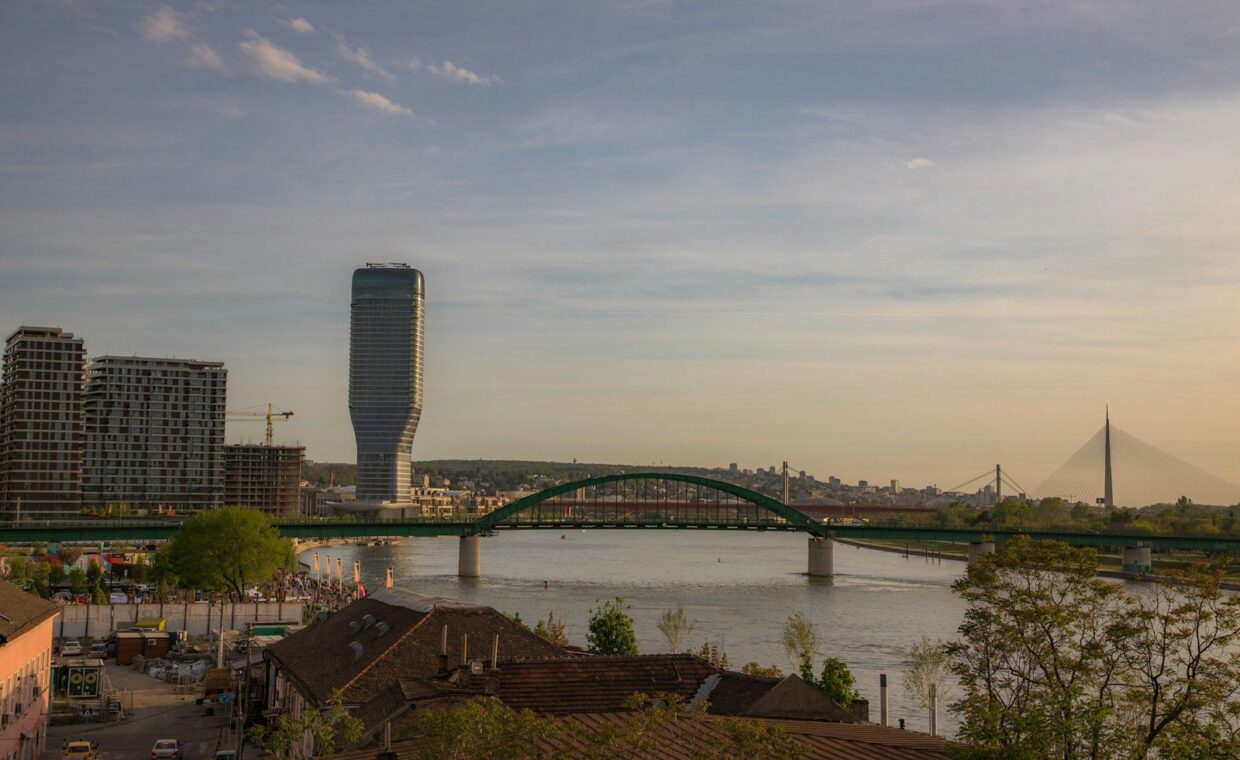
Belgrade doesn’t do polished, and that’s the point. It’s a city that parties on barges moored along two rivers, eats enormous plates of grilled food, and charges you almost nothing for the privilege. The fortress at Kalemegdan, where the Sava meets the Danube, is free to wander and easily my favourite sunset spot in the region.
Coffee culture here is serious and slow, nobody rushes you out of a café. A strong espresso costs a euro or two, and you can nurse it for an hour while the city drifts past. I usually plan on thirty-five to forty dollars a day, nudged up only because the nightlife is genuinely hard to resist.
Because Serbia isn’t in the EU, prices for cross-border buses and SIM cards work differently than you might expect, so it pays to check before you arrive rather than assume.
3. Bucharest, Romania
Bucharest surprises people. They arrive braced for grey concrete and find leafy boulevards, Belle Époque facades, and one of the most underrated café-and-cocktail scenes in Europe tucked into the old town. The colossal Palace of the Parliament is worth the guided tour just to feel suitably small.
This is a city where your accommodation budget goes furthest. A stylish private room in a central guesthouse can land around twenty-five to thirty dollars if you book with a little care. I’ve had luck nudging that lower using the kind of timing-and-loyalty tactics I walk through in these booking-site tricks for rooms below the listed price.
Day trips are the bonus, Transylvania’s castles are a cheap train ride away, which makes Bucharest a strong base rather than a stopover.
My “per day” figures cover a bed, food, local transport, and one paid activity or a few drinks. They don’t include flights or big intercity trains. Travelling slower, staying three or four nights per city, almost always drops your daily average.
4. Tirana, Albania
Tirana is the wildcard, and the one that always lands hardest with people who think they’ve seen Europe. The buildings are painted in deranged, joyful colours. The cafés overflow onto the pavements at all hours. And it’s still cheap enough that I genuinely double-checked my coffee bill the first morning, the way I had years earlier in Sofia.
Espresso for well under a euro. A filling plate of byrek and a yoghurt drink for the price of a coffee back home. I’d put a comfortable day here around twenty-five to thirty dollars, and that’s eating out for most meals.
It’s a fantastic launch pad, too, the Albanian Riviera and the mountain town of Berat are both a half-day bus ride away.
5. Skopje, North Macedonia
Skopje is small, slightly surreal, and very kind to a budget. The city centre is stuffed with grand statues and fountains that feel almost theatrical, and just across the river the old Ottoman bazaar serves some of the best-value food in the Balkans. I lost an entire evening there to grilled peppers and conversation and spent maybe eight dollars.
Beds are cheap, a central hostel around twelve to fifteen dollars, private rooms not far behind. The whole walkable core means you’ll barely touch public transport. Thirty dollars a day here feels generous.
It’s also a quiet base for Lake Ohrid, a couple of hours south, the kind of swimmable, picture-postcard lake people fly to Italy for.
6. Chișinău, Moldova
If you want a capital where you’ll meet almost no other tourists, Chișinău is it. Moldova is routinely called Europe’s least-visited country, and its capital is leafy, low-rise, and astonishingly affordable. This is wine country, some of the largest cellars on the planet are a short drive out, and tastings cost a fraction of what you’d pay in France.
A private room often comes in under twenty dollars; a proper restaurant meal rarely tops eight or ten. I’d budget around twenty-five dollars a day and struggle to spend it all.
It’s not glossy, and not everything runs on schedule, but that’s the trade for a capital that still feels undiscovered.
Stretching the saving even further
The thing these six share isn’t a magic exchange rate, it’s that everyday life is locally priced and tourism hasn’t yet reshaped it. That means the savings hold up across food, transport, and beds, not just one category. Eat where the office workers eat, walk more than you ride, and your daily figure quietly falls.
It’s also worth weighing a city break here against the classic cheap-beach escape. I broke down that exact “where does my money go furthest” question in Greece versus Thailand for cheap island time, and more often than not, an Eastern European capital quietly beats both for sheer value per day.
Which of these capitals is best for a first-timer nervous about Eastern Europe?
Bucharest or Sofia. Both have frequent flights, plenty of English, good public transport, and walkable centres, so you get the value without much of a learning curve. Tirana and Chișinău are more rewarding once you’ve got one Balkans trip under your belt.
When is the cheapest time to visit?
Late spring and early autumn, the shoulder months. Prices for beds drop from the summer peak, the weather’s still kind, and the famous day-trip spots aren’t packed. Deep winter is cheaper still but several mountain and lake side-trips effectively close.
Are these cities safe for solo travellers?
In my experience, yes, the central districts are calm and walkable, and locals are quick to help with directions. Use the same street sense you would in any capital, keep an eye on your bag in busy markets, and you’ll be fine.
None of these places will stay this much of a secret forever, Tirana already feels busier than it did a few years back. If a capital that hands you big-city life for small-town money sounds like your kind of trip, I’d go sooner rather than later. Pack light, eat where the locals eat, and let yourself double-check that first dinner bill. You’ll get used to it.