
The fluorescent hum of a foreign supermarket at nine in the evening is one of my favourite travel sounds. I am usually standing in the bread aisle, jet-lagged, holding a still-warm baguette to my chest like contraband, working out what I can build around it for the price of a coffee back home.
Restaurants get the postcards, but the grocery store is where a tight food budget is actually won. Not the sad-sandwich version of cheap, either, I mean salty cheese, a tomato that smells like a tomato, olives in oily brine, eaten on a bench while the light goes gold. No stove, no skill, no washing up.
These are the eight things I reach for in almost every country, the buys that turn a fluorescent aisle into a picnic. Prices are illustrative, markets vary wildly, but the logic travels everywhere.
1. A fresh loaf from the bakery counter
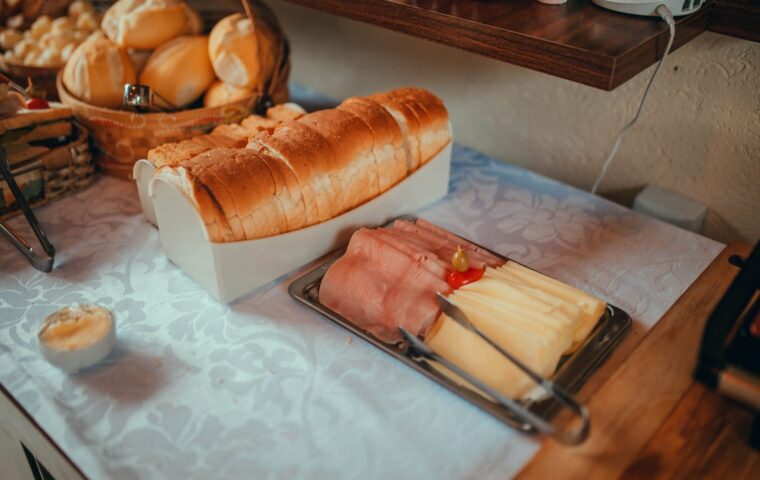
Bread is the spine of every cheap travel meal I have ever eaten. A proper bakery loaf or baguette runs maybe a dollar, sometimes less, and it does the work of a plate, a utensil and half the flavour all at once.
Buy it last so it is warm, and buy the one the locals are queuing for rather than the bagged supermarket version. Tear, don’t slice. Everything else on this list is, in some sense, a topping.
2. A wedge of local cheese
I never travel past a cheese case without slowing down. You do not need the aged, gift-wrapped stuff, ask for a small piece of whatever is cheap and regional, and you will spend a couple of dollars for several meals’ worth of richness.
A firm cheese survives a warm day in your bag far better than a soft one, which matters when your “fridge” is a hostel shelf you are sharing with eleven strangers. Pair it with bread and you already have lunch.
Buy one thing that is salty, one thing that is fresh, and one thing that is sweet. Three small purchases, a few dollars total, and you have a meal with shape instead of a bag of random snacks.
3. Tomatoes, peppers and whatever is in season
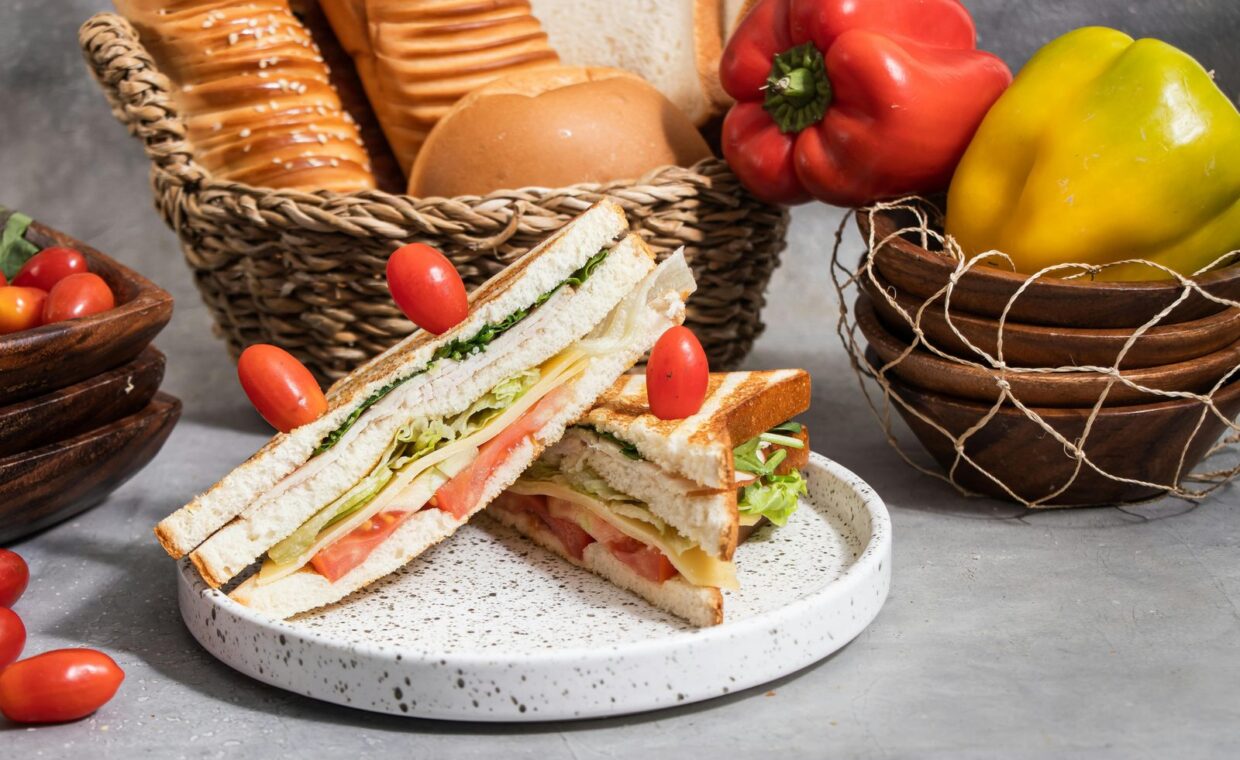
The produce section is where your money stretches furthest and the meal stops feeling like an emergency. A few ripe tomatoes, a cucumber, a pepper, pennies each, and they bring the colour and crunch that make a bread-and-cheese spread feel deliberate rather than desperate.
Smell before you buy. A market tomato in southern Europe in July tastes like something you would pay for in a restaurant; the same tomato shipped to a supermarket in February does not. Let the season decide your menu.
4. A tin of fish in oil
One small tin of sardines, mackerel or tuna is, calorie for calorie and coin for coin, possibly the best value protein in any shop. It keeps for years, weighs nothing, and the oil doubles as a dressing for your bread.
The humble tin is also why I argue, in my cooking-in versus eating-out breakdown, that you rarely even need a kitchen to eat cheaply, you need a tin opener and a flat surface. Spend a little more for a brand packed in olive oil; it is the difference between a snack and a small feast.
5. Olives, pickles or anything in brine
A scoop of olives from the deli counter costs almost nothing and changes the whole character of a meal. They are salty, fatty and intensely flavoured, which means a little goes a long way and your plain bread suddenly has a backbone.
I think of brined things as the seasoning of a no-cook spread. Pickled vegetables, marinated artichokes, a few capers, each one is a tiny purchase that punches far above its price.
6. Local fruit for after
Dessert is where the supermarket quietly humiliates the restaurant. A peach in season, a handful of cherries, a few figs split open with your thumbs, these cost coins and taste like the place you are standing in.
Fruit is also the easiest way to eat what is genuinely local rather than what is marketed at tourists. Some of the best things I have eaten while travelling cost less than a postcard, which is partly why I keep wandering through Eastern Europe’s underrated capitals, the markets there overflow with stone fruit and berries for next to nothing.
7. Cured meat or a vegetarian stand-in
A few slices of local cured meat, chorizo, prosciutto, whatever hangs behind the counter, add a savoury depth that bread and cheese alone can miss. Ask for one hundred grams; the counter staff will not blink, and you will pay a fraction of a restaurant antipasto.
If you do not eat meat, the same role goes to a tub of hummus, a marinated tofu, or a hard-boiled egg from the chilled aisle. The point is one concentrated, savoury element that makes the rest taste like a composed plate.
Bread, a wedge of cheese, a tin of fish, a scoop of olives, a few tomatoes and a peach: in a lot of countries that is dinner for two people for somewhere around five to eight dollars. Try matching that at a sit-down table.
8. Something to drink that isn’t bottled water at the till
The impulse cooler by the checkout is where supermarkets claw back their margins, so I skip it. A carton of juice, a large bottle of water or a cheap local beer bought from the proper aisle costs a third of the chilled single-serve version by the door.
If you have a few minutes, buy it ahead and let the hostel fridge do the chilling. A warm drink is a small price for not handing over tourist money at the door.
Assembling it without a kitchen
You need almost nothing to turn these buys into a meal: a small folding knife, a couple of napkins, and somewhere to sit. A park bench, a harbour wall, the steps of a church at dusk, the setting does half the work.
I keep one reusable bag and a flat plastic container in my pack, and that is my entire kitchen. It has fed me across a dozen countries, often better than the restaurants I walked past to reach the supermarket.
Read the per-kilo price, not the sticker. A “cheap” pre-packed snack tray is often three times the cost of buying the same olives, cheese and bread loose from the counters. The packaging is the markup.
When the supermarket isn’t the answer
Self-catering is not always the cheapest move, and it is rarely the most cultural one. In much of southern Europe and Latin America a fixed lunch can rival the grocery bill for a hot, cooked meal, I make that case in full in my piece on what a menu of the day really gets you.
So I split the difference. Picnic from the supermarket for breakfast and dinner, eat the set lunch when it is good value, and let each meal earn its place in the budget rather than defaulting to restaurants out of habit.
Don’t I need a kitchen to save money on food abroad?
No. Every buy on this list is a no-cook item assembled with a knife and a flat surface. A kitchen helps for longer stays, but for a week of travel a bench and a bakery loaf will do.
How do I keep cheese and cured meat from spoiling in warm weather?
Choose firm cheeses and cured (not fresh) meats, buy small amounts you will eat that day, and keep them in the shadiest, lowest part of your bag. Buy fresh again tomorrow rather than carrying a stockpile.
Is shopping at the supermarket actually cheaper than a cheap restaurant?
Usually for breakfast and dinner, yes, often dramatically so. For a midday meal a local set lunch can compete, so it pays to compare the grocery basket against the day’s fixed menu before deciding.
None of this asks you to suffer for your savings. A warm loaf, a salty cheese and a ripe peach on a wall above a harbour is not a compromise, it is one of the nicest meals travel hands you, and it happens to cost almost nothing. Follow the locals into the supermarket and eat like you mean it.