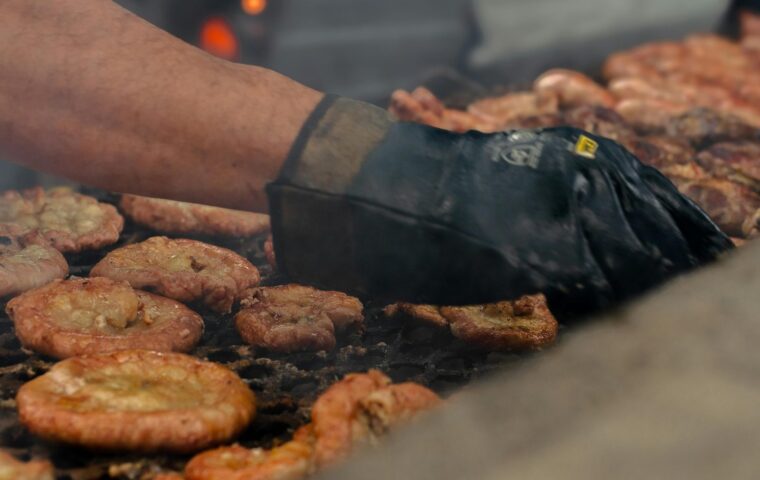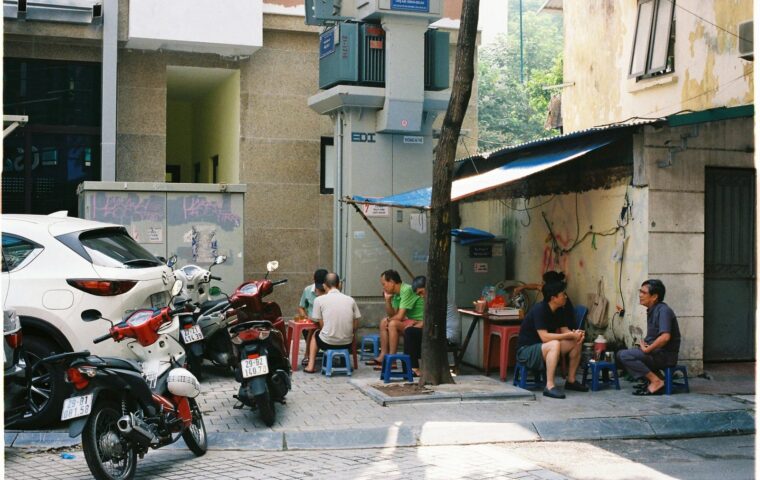

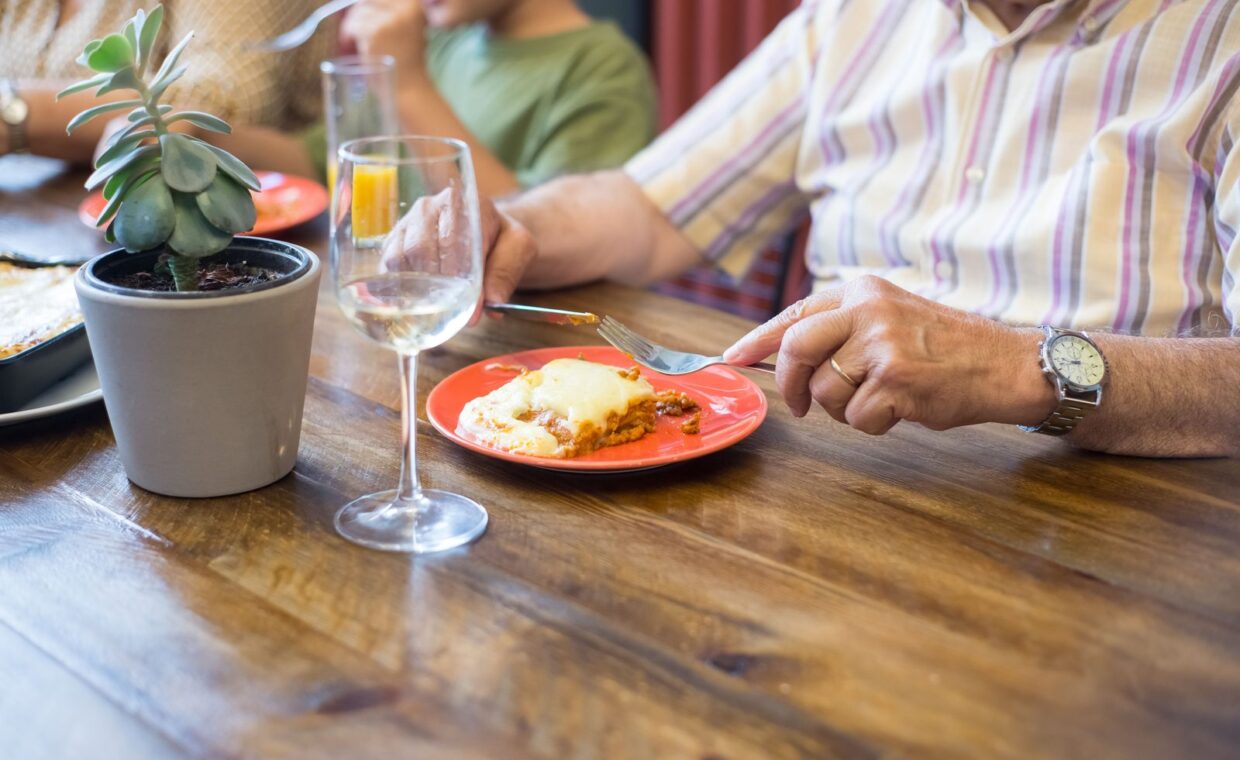
The smell hit me before the price did. I was standing in a Lisbon mercado at half past nine, a warm pastel de nata in one hand and a bag of sardines in the other, doing the math I always do on the first morning of a trip: do I cook this week, or let the city feed me?
It quietly decides your food budget more than any single restaurant choice. Most travelers assume the answer is obvious, cooking is cheap, restaurants are dear, and most are half wrong. The real picture has a break-even point, and it moves with where you are, who you are with, and how much you want to chop an onion after a long walking day.
So I tracked it. Across a handful of trips and a battered notebook, here is how self-catering really stacks up against eating out, and the line where one tips past the other.
What you are really comparing
Be honest first about what each option includes, because the sticker numbers lie in both directions.
Cooking in is never just the food. It is the supermarket trip, the half-bottle of oil and the jar of paprika you buy and abandon, the gas you may be paying for, and the time. Eating out is rarely just the plate either, there is the coffee to keep the table, the bottled water, the cover charge in Italy, the tip where it is expected.
Line them up properly and the gap narrows fast. A home-cooked dinner that looks like three euros of ingredients often cost closer to six once you count the pantry tax of those single-use condiments. A restaurant lunch that looks like fifteen can drop to nine if you order the fixed midday menu instead of dinner à la carte.
The first cook in a new kitchen is always the priciest. Oil, salt, a spice or two, dish soap, you rarely finish any of it. Spread that twelve-or-so euros across three nights and your “cheap” cooking is dearer than night four onward.
A real daily side-by-side
Here is a typical solo day in a mid-cost European city, a euro-fifty coffee, a market a short walk away. Illustrative numbers from my own notebook, rounded, in euros.
| Meal | Cook in | Eat out |
|---|---|---|
| Breakfast | ~€1.50 (bread, eggs, fruit) | ~€4.50 (café + pastry) |
| Lunch | ~€2.50 (leftovers, salad) | ~€11 (menu of the day) |
| Dinner | ~€5 (pasta, veg, a little fish) | ~€18 (mains + a drink) |
| Coffee / water out | ~€1.50 | included above |
| Pantry tax (per day, 3-night stay) | ~€4 | , |
| Daily total | ~€14.50 | ~€33.50 |
On paper, cooking wins by nearly twenty euros a day. That looks decisive, and for a long, settled stay, it is. But notice how much of the eat-out column is dinner; swap one restaurant dinner for a market picnic and the difference shrinks by a third.
The honest takeaway: cooking saves real money, but the saving is lumpy. It comes almost entirely from breakfast and dinner. Lunch out, done right, is the meal least worth giving up.
Where cooking quietly wins
Cooking pulls ahead hardest in three situations people tend to underestimate.
Long stays. The pantry tax is a fixed cost. Spread that oil and paprika over ten nights instead of three and your per-day cooking cost falls off a cliff, sometimes to four or five euros for genuinely good food.
Groups and families. Restaurants charge per head; a pot of something does not. Cooking for four roughly quarters the per-person prep cost while a restaurant bill simply multiplies. It is also where the careful shopper shines, the same instincts behind my piece on the vegetarian travel-food mistakes that cost time and money make for a cheaper, faster grocery run.
Expensive cities. In Reykjavik or Zurich the restaurant markup on a simple plate is brutal, while supermarket prices, though high, are far less inflated. The gap is widest exactly where eating out hurts most.
I only cook things that use a single pan and ingredients I will finish. A skillet of greens, beans and whatever fish looked good that morning costs little, dirties almost nothing, and never leaves a half-jar of mystery sauce on departure day.
Where eating out quietly wins
Now the other side, because cooking is not free of hidden costs, they are just not on the receipt.
Short trips. For a two- or three-night break, the pantry tax plus a supermarket run plus the time can erase the saving entirely. On a 48-hour stop I almost never cook, the math barely favors it and the city has too much to feed me.
The flavor you are traveling for. You did not fly to Bologna to make spaghetti in a rented kitchen. Some meals are the destination. A plate of grilled octopus by a Greek harbor is not an expense to optimize away, it is the point. When I weighed up the islands in Greece versus Thailand for cheap beaches, the most memorable food on both was eaten standing up at a stall, not cooked in any kitchen.
Time and energy. After a ten-kilometer day, the hour spent shopping, cooking and washing up has a real cost. Sometimes the eleven-euro fixed lunch buys back your afternoon, a fair trade.
The hybrid that actually wins most weeks
After years of this, I almost never go fully one way. The cheapest and happiest pattern is a blend:
- Breakfast in, nearly always. The meal restaurants overcharge for and the easiest to assemble from a market: fruit, bread, good cheese, coffee from your own pot.
- Lunch out, often. The fixed midday menu is the best-value restaurant meal in most of the world, two or three courses for the price of one dinner plate. This is the meal to spend on.
- Dinner, it depends. A market-picnic dinner some nights, a real restaurant on others. Alternate, and your daily average lands well below the all-restaurant number without feeling deprived for a second.
One more lever sits upstream of all this: where you sleep. The tactics in stretching a free hotel breakfast into lunch can wipe a whole meal off the day’s tab before you spend a cent, which changes every number in that table.
“Cooking in” quietly becomes “eating out” when you keep grabbing pricey ready-meals from the corner shop near your flat. A self-catering budget only works if you shop at a real market or supermarket, three impulse trips to the convenience store can cost more than a sit-down dinner.
So where is the break-even?
If I had to draw one line: cooking starts clearly winning around the fourth night in one place, and compounds from there. Below three nights, eat out and enjoy it. Two-plus people or a pricey city pulls that break-even earlier, sometimes to the first dinner.
But the truer answer is to not choose a side at all. Cook the meals that are cheap and dull to buy; eat out the ones that are the reason you came. Done that way, the budget takes care of itself and you never eat a sad sandwich on a night you should have been at a table with a view.
Cook in for long stays, groups and pricey cities, the saving is real and grows nightly. Eat out for short trips, signature local meals, and days you would rather buy back your evening. For most weeks, breakfast in and lunch out beats either extreme.
Is cooking always cheaper than eating out while traveling?
No. On short stays the one-off cost of pantry staples plus shopping time can erase the saving. Cooking reliably wins from about the fourth night onward, and faster if you are feeding several people or staying somewhere expensive.
What is the single most overrated meal to cook yourself?
Lunch. The fixed midday menu in most countries is the best-value restaurant meal there is, often two or three courses for the price of one dinner main. Spend on lunch out and save by assembling breakfast and the occasional dinner yourself.
How do I keep self-catering from secretly getting expensive?
Shop at a real market or supermarket rather than the convenience store, and only cook dishes whose ingredients you will actually finish before you leave. The waste from half-used oil, spices and impulse snacks is what quietly inflates a “cheap” cooking budget.
Food is the part of travel I refuse to make joyless, and you rarely have to. Treat the cheap meals as logistics and the special ones as the reason you got on the plane. Keep a rough notebook for a week and you will find your own break-even, mine just happens to smell like sardines and warm custard.