
I once watched a fellow traveler at a hostel in Porto unpack a travel pillow, a picnic blanket, a beach towel, and a scarf, four items, four jobs, four chunks of bag space. My own bag had one cotton-blend scarf that had already done all four jobs that week. She wasn’t packing badly. She just hadn’t met the gear that does double duty yet.
That is the whole idea behind packing light without feeling deprived. You don’t subtract things you love; you swap in items that absorb the work of two or three others. Do that seven times and your list genuinely halves.
Below are the seven I keep coming back to, for myself and for two kids who somehow need everything. For each, I’ll tell you what it replaces and the habits that make the swap hold up on the road.
1. A large lightweight scarf (the four-in-one piece)
A generous rectangular scarf, roughly a metre wide, in a wool-cotton blend, is the single most useful thing in my bag, and I am not being dramatic. On the plane it’s a blanket. In a chilly cathedral or a mosque, it’s the shoulder cover that gets you through the door.
It rolls into a neck pillow around a stuffed fleece, doubles as a nursing or sun cover, and folds flat into a picnic groundsheet. Pick a mid-tone neutral so it reads as “outfit” rather than “utility,” and it earns its space.
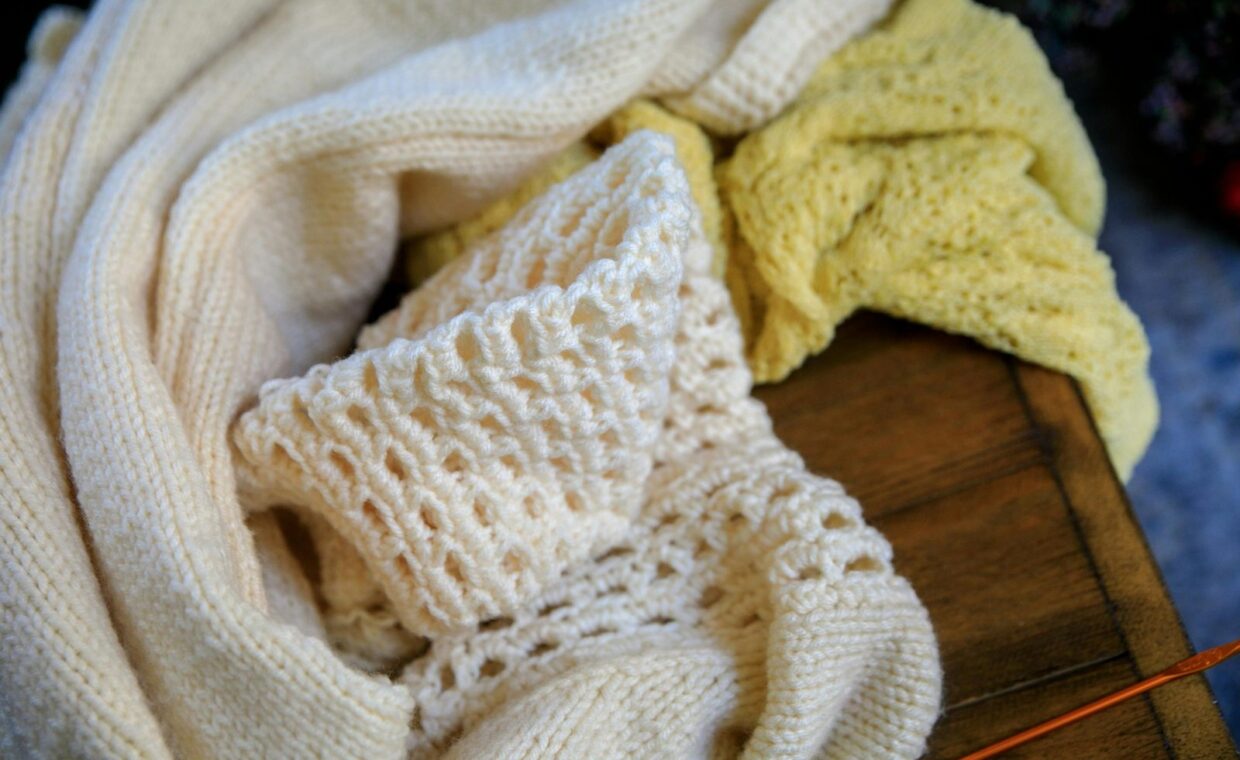
Buy one with no fringe and no loose weave. Fringe snags on zips and the loose threads pill within a fortnight. A tight, plain weave survives being shoved into a daypack daily.
2. A microfibre towel that moonlights as everything
A compact microfibre towel packs to the size of a paperback and dries in roughly an hour. That alone replaces the bulky cotton towel hostels often charge a few euros to rent.
But it keeps going. It’s a beach mat, a yoga base, a windscreen for a gas stove, and an emergency mop when a kid upends a juice in the bottom bunk. I carry one medium size rather than a large; it still wraps a child after a swim and weighs almost nothing.
The honest trade-off: microfibre never feels as plush as terry cloth, and it holds a faint smell if you pack it damp. Air it for ten minutes before it goes back in the bag and that disappears.
3. A solid bar of soap (one bar, every wash)
This is the swap that frees up the most liquid allowance, which matters enormously if you’re flying with strict cabin limits. A single mild soap bar can wash your body, your hair, and, in a pinch, a sink full of socks and shirts.
That deletes three plastic bottles from your toiletry bag in one move, and it never counts against the 100ml liquids rule. For families this is the quiet hero: one bar covers everyone instead of a shampoo bottle per person that always leaks at altitude.
If you’re packing this light specifically to skip the hold, it pairs neatly with the kind of cabin-only discipline I dig into in my breakdown of which budget airlines are worth the fine print, where every saved gram keeps you under the limit and out of a gate fee.
4. A merino base layer you can rewear for days
One good merino wool t-shirt does the work of three cotton ones because it resists odour. You can wear it, air it overnight, and wear it again without it announcing itself, which is the entire trick to packing fewer tops.
It also spans seasons. Worn alone it’s a hot-weather tee; under a fleece it’s a thermal layer for a cold morning. That dual range is why merino, despite costing more upfront, ends up cheaper per wear than a drawer of single-climate shirts.
If three cotton tees cover three days before laundry, two merino tees cover four to five. That’s one fewer top in the bag and one fewer wash cycle, small per trip, real across a year.
5. A sarong, kikoy, or Turkish towel
A flat woven cotton sarong is almost embarrassingly versatile. It’s a towel, a beach throw, a curtain for a curtainless hostel window, a dress, a skirt, a baby sling, and a cover-up for a temple visit, and it weighs less than a phone charger.
I think of it as the warm-climate cousin of the scarf at number one. On a beach trip I’ll pack the sarong instead of both a towel and a swim cover-up, and that’s two items gone for the price of one thin rectangle of cotton.
Roll it rather than fold it. Rolled, it slots down the side of even a small personal-item bag and fills the gaps you’d otherwise waste.
6. A power bank that charges the whole family
A single mid-capacity power bank with two output ports replaces the tangle of separate chargers everyone reaches for at once. On a long travel day it keeps two phones and a kid’s tablet alive through delays, queues, and that one stretch where the only outlet is behind a vending machine.
The multi-use win is that it also charges a smartwatch, e-reader, and wireless earbuds from the same brick. One device, one cable pouch, the whole household covered. Aim for something around 10,000mAh, enough for two full phone charges, still small enough to be cabin-legal and pocketable.
Power banks must travel in your cabin bag, never the hold, and most airlines cap capacity. Check the printed Wh rating on the casing against your carrier’s limit so it isn’t confiscated at security.
7. A packable daypack that folds into your palm
A daypack that scrunches into its own pocket weighs almost nothing and replaces a separate day bag, a beach bag, and a laundry sack. It lives flat at the bottom of your main bag until you land, then it’s your everyday carry.
Here’s the underrated part for fee-dodgers: on a strict cabin fare you can wear your main bag and carry the folded daypack empty, then redistribute weight between them at the gate. It’s a gentle, legitimate buffer when an airline weighs only one bag.
The bag you choose to live out of for the rest of the trip is a bigger decision, and it’s worth reading how a hard shell and a soft bag actually compare before you commit, the right main bag is what lets a packable daypack stay your only “extra.”
Scarf replaces blanket, pillow, cover and picnic mat. Microfibre towel replaces rented towels and mats. Soap bar replaces three bottles. Merino replaces three cotton tees. Sarong replaces towel and cover-up. Power bank replaces multiple chargers. Packable daypack replaces a day, beach and laundry bag.
None of these ask you to rough it. They just refuse to let one item do only one job, and that refusal is what shrinks the pile. If you’re packing this aggressively, you’re probably eyeing the smallest fare tier too, and it’s worth knowing exactly what a “personal item only” ticket actually lets you bring before you assume your scarf-and-soap setup fits underneath the seat.
Won’t multi-use gear wear out faster from doing so many jobs?
Quality versions hold up well; the wear comes from cheap weaves and thin fabrics, not from versatility itself. Spend a little more on the scarf, towel, and merino, and they outlast a drawer of single-use items.
Is a soap bar really enough for hair as well as skin?
A mild, low-stripping bar works fine for most hair on a trip, though very long or treated hair may want a small solid shampoo bar instead. Either way you skip the liquids rule and the leaks.
Do these swaps actually work for travelling with kids?
They shine with kids, honestly. One scarf covers naps and sun, one soap bar washes everyone, and one power bank keeps every device alive, far less to carry than a separate item per child.
Start with two or three of these on your next trip rather than all seven. Notice what you stop reaching for, and let the spare gear stay home next time. A lighter bag isn’t about owning less; it’s about each thing you pack pulling its weight twice.