
The first time it clicked for me was on a narrow street in Seville that smelled of frying garlic and warm stone by noon. A handwritten board leaned against a doorway: three courses, bread, a drink, and a coffee, all for the price of a single starter at the glossy place two doors down.
I almost walked past it. It looked too plain to be good, and the cheapness made me suspicious. Then I saw the tables filling with electricians and shop owners on their lunch break, and I sat down. That plate of lentils, the grilled fish, the wobble of flan at the end, taught me more about eating well for less than any guidebook ever had.
That board has a hundred names. In Spain it’s the menú del día; in France a formule or plat du jour; in Italy a pranzo or menu fisso; in Portugal a prato do dia. Wherever you find it, the fixed lunch menu is usually the best-value restaurant meal in the country, and most visitors never order it.
What the fixed lunch menu actually is
A menu of the day is a small set meal at a flat price, served almost always at lunch and rarely in the evening. You choose one option from a short list of starters, one main, and one dessert, with bread and often a drink folded into the total.
The list is short on purpose. Three or four starters, three or four mains, a couple of desserts. It isn’t the kitchen’s full repertoire; it’s what the cook bought fresh that morning and can turn out quickly while the dining room is slammed.
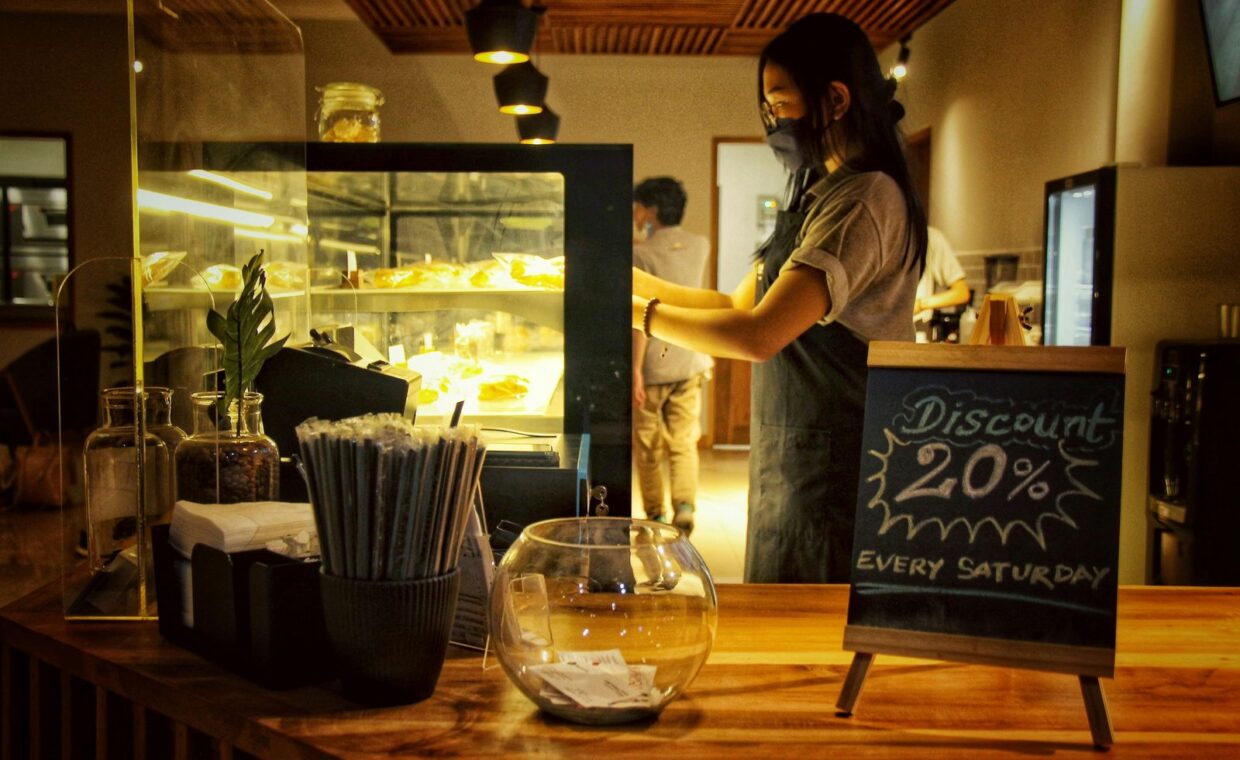
And the price is fixed and printed once. You’re not adding up à la carte numbers in your head, sweating the cover charge and the water. One figure, often chalked on a board out front, covers the whole sequence from bread to coffee.
Starter + main + dessert, sometimes “two courses or three,” with bread and a drink included. Lunch only, usually weekdays, usually somewhere around 11 to 30 euros depending on the city.
Why it costs so little
The cheapness isn’t a trick or a loss-leader. It’s the most efficient thing a kitchen does all week, and the economics genuinely favor you.
Restaurants buy in bulk and cook in batches. A big pot of white beans, a single fish broken into a dozen portions, costs the kitchen a fraction per plate of what an à la carte dish does. The set menu lets them plan around that morning’s market instead of stocking for every possible order.
Then there’s the rhythm of lunch. Locals on a work break want to be fed in forty minutes, not lingered over for two hours. Fast turnover means the restaurant earns on volume, so the per-plate price drops. You’re riding on a system built for office workers, one of the on-the-ground reasons some places feel so affordable, which I get into more in what actually makes a destination genuinely cheap.
What you really get for the money
Course by course, here’s what tends to land on the table.
The starter
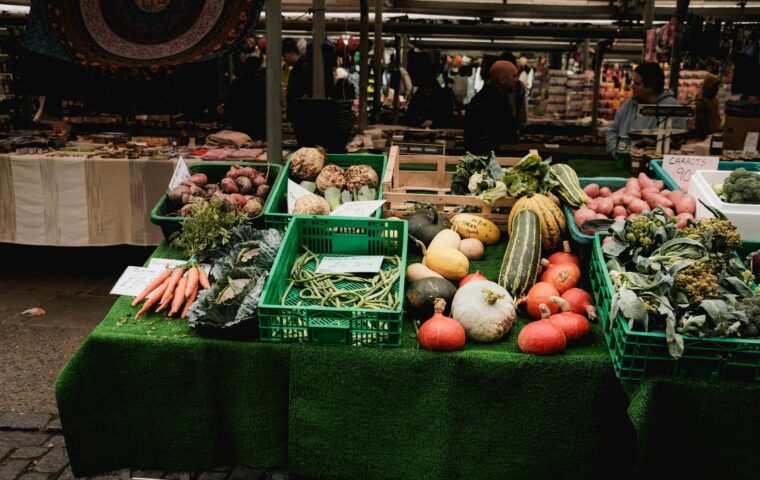
This is usually the kitchen’s home cooking: a soup, a seasonal salad, beans, lentils, or whatever vegetable is cheap and good that week. It’s rarely flashy and almost always the most honest thing you’ll eat all day.
The main
Expect a hot, protein-led plate, grilled fish, a stew, roast chicken, with a starch or vegetables alongside. Portions are sized for someone who has to work all afternoon, so you rarely leave hungry.
Dessert and the extras
Dessert is simple and house-made more often than not: flan, a slice of tart, fruit, a scoop of ice cream. Bread arrives without asking, and depending on where you are, the price may swallow a glass of wine, water, and a coffee to finish.
Add up what the same starter, main, dessert, and coffee would cost ordered separately off the à la carte page. If the set menu is meaningfully cheaper than that sum, and it almost always is, you’ve found the bargain. If it’s only a euro or two less, you’re paying for convenience.
The myth that it’s tourist food or leftovers
Here’s the misconception I hear most: that a cheap fixed menu must be the day-old stuff, the freezer dregs a restaurant dumps on people who don’t know better. It’s almost exactly backwards.
The menu of the day is what the regulars eat. In most of southern Europe and Latin America it exists for locals, not tourists, which is why the chalkboard is so often only in the local language and tucked by the door. The tourist-trap restaurant has photos of the food and a host waving you in; the menu-of-the-day place is full of people who clearly work nearby.
It also tends to be fresher than the à la carte menu, not staler. The kitchen builds it around what arrived that morning and cooks it in volume, so the set dishes turn over fast. The thing that’s been sitting in the cold case is more likely a rarely ordered à la carte special than today’s lunch.
How to find a real one
You learn to read the street for it. A board on the pavement or a small card by the door, the word menú, formule, pranzo, or prato, and a single price, often Monday to Friday only.
Walk a few streets back from the cathedral, the main square, or the river. Rents are lower there, the clientele is local, and the set menu is both cheaper and better. A dining room loud with people on a lunch break is the strongest signal you’ll get.
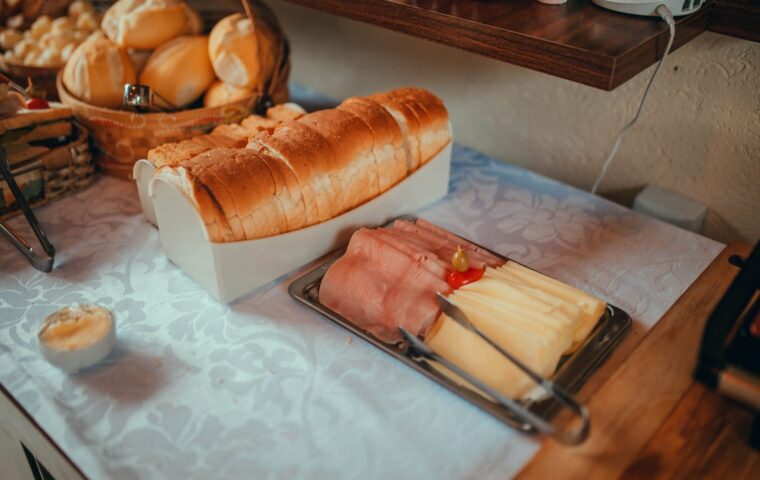
Time it right, too. Many places only print the menu for lunch and switch to pricier à la carte at night. If you’ve been leaning on a generous hotel breakfast stretched toward lunch, a late fixed-menu meal makes a lovely, cheap main event for the day.
In heavily touristed centers, a “menu turístico” pitched in four languages with a tout outside is a different animal: smaller portions, mediocre wine, and a price that isn’t really a saving. If it’s translated for visitors and parked on the busiest corner, treat the cheapness as bait, not value.
How it fits a daily food budget
Once you trust the format, it reshapes how you plan eating on the road. The fixed lunch becomes your one proper sit-down meal, taken when restaurants are cheapest, leaving the evening light and inexpensive.
That single move, eating big at lunch and keeping dinner small, is one of the simplest ways to hold a food budget down without feeling like you’re skimping. It also changes the math on self-catering: if a three-course lunch out costs about what a modest grocery run would, the calculation in cooking in versus eating out can tilt toward eating out at midday. I’ve kept whole trips affordable on exactly this rhythm, full at lunch and content at night.
Is the menu of the day only available at lunch?
Almost always, yes. It’s built around the weekday lunch rush, so most places serve it midday to mid-afternoon and switch to à la carte at dinner. A handful offer an evening set menu, but it’s usually pricier and less of a steal.
Can I mix and match the courses or swap dishes?
Within the printed choices, yes, you pick your starter, main, and dessert from the short list. Asking to substitute something off the à la carte page usually breaks the fixed price, so it’s smoothest to choose from what’s offered.
Do I still tip on top of a fixed-price menu?
It depends entirely on the country. In much of Spain, Italy, and France, rounding up or leaving a euro or two is plenty for a casual lunch; service is often already factored in. Check local custom rather than defaulting to a home-country percentage.
The fixed lunch menu rewards a little nerve and a short walk from the obvious. Look for the handwritten board, the single price, the room full of people on their break, then sit down and let the kitchen feed you what it cooks best. Some of my happiest, cheapest meals started exactly that way, with a plate of lentils I almost didn’t order.