
Tokyo has a reputation as a wallet-shredder, and it earns it if you eat the way the guidebooks tell you to. But I keep meeting travelers who fed themselves properly here on roughly ten dollars a day, not surviving, eating well, and the numbers always check out when I make them show me receipts.
So let me walk you through one of them. Call him Marco: a 26-year-old on a long Asia loop, eleven days in Tokyo, a self-imposed food budget of ¥1,500 a day, right around $10 at his exchange rate. He kept a phone note of every yen he spent on food. I asked to see it. Here is exactly what it showed.
None of this is a stunt. It is just knowing where the cheap calories actually live in a city that hides them in plain sight.
The ground rules he set on day one
Marco did three things before he ate a single meal, and they mattered more than any specific dish.
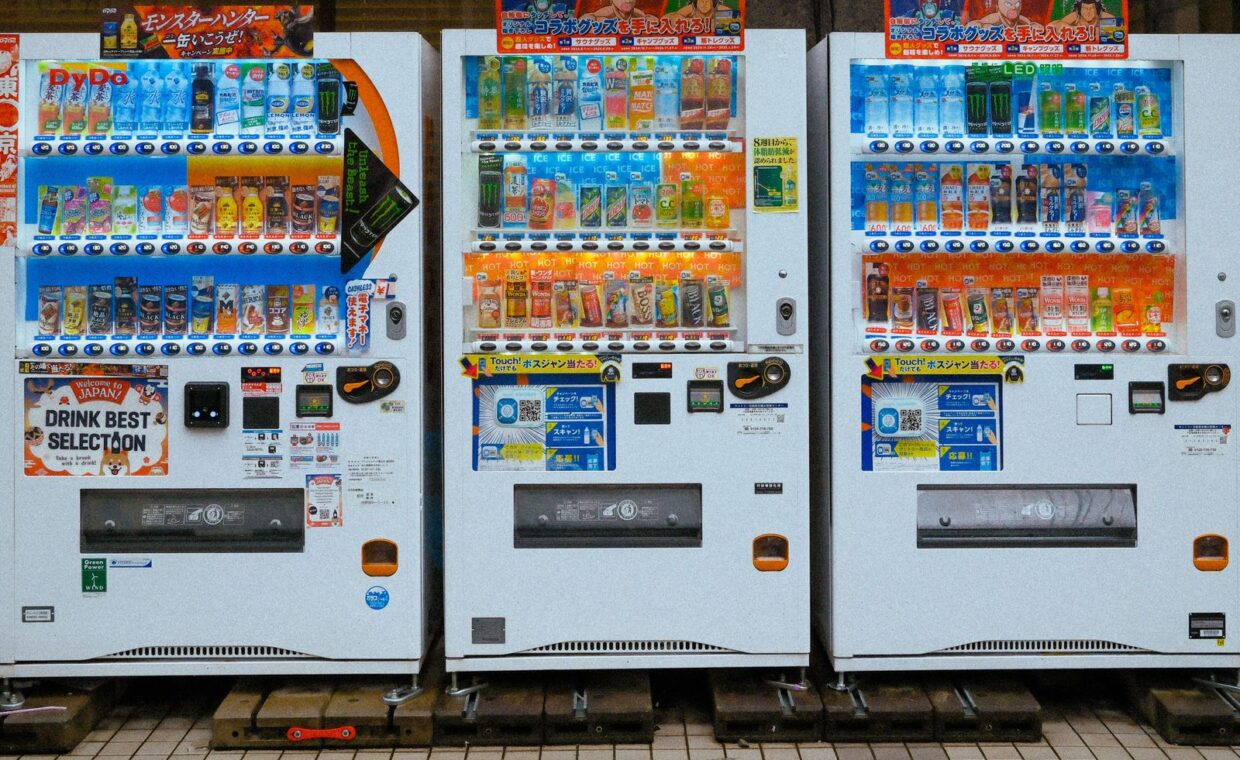
First, he picked a hostel with a kitchen and a free-rice-and-miso breakfast. That breakfast alone, unlimited rice, miso soup, sometimes a boiled egg, knocked his morning cost to zero on most days. Second, he carried a 1-litre water bottle and refilled it, because vending-machine drinks at ¥130–160 a pop are the silent budget killer here. Third, he decided convenience stores were a primary food source, not an emergency.
That last one trips people up. In a lot of countries the corner shop is where cheap means sad. Japan is the exception that breaks the rule, which is why I always warn travelers against assuming a famous food city automatically empties your wallet, that lazy assumption is exactly the trap I unpack in these supposedly affordable spots that quietly drain your budget, just running in reverse.
Konbini: the ¥110–500 engine room
The Japanese convenience store, konbini, is the backbone of the whole budget. 7-Eleven, Lawson and FamilyMart sell genuinely good food at fixed, honest prices, and after 8pm the fresh items get yellow discount stickers.
Here is the lineup Marco leaned on, with what he paid:
- Onigiri (rice ball), ¥110–150. Tuna-mayo, salmon, pickled plum. Two of these is a real lunch.
- Egg sandwich, around ¥230. Absurdly good. The internet is not exaggerating about this one.
- Cup of instant ramen or udon, ¥150–250, free hot water at the counter.
- Bento box, half-price after 8pm, a ¥500 box for ¥250. Rice, protein, a couple of vegetables.
- Banana or boiled egg, ¥60–110, when he needed a filler.
Discount stickers (値引き, nebiki) hit fresh bento, sushi and bakery items as closing approaches, often 8–10pm at konbini, and earlier in supermarket basements. Plan your biggest meal of the day around that window and you eat protein for the price of a snack.
A real day on the log
I asked Marco for a single representative day rather than a cherry-picked cheap one. Here is day six, copied straight from his phone.
| Meal | What he ate | Cost (¥) |
|---|---|---|
| Breakfast | Hostel rice, miso soup, egg | 0 |
| Lunch | Two onigiri + a banana from Lawson | 330 |
| Snack | Konbini egg sandwich on a park bench | 230 |
| Dinner | Half-price chicken bento (sticker) | 250 |
| Drink | Canned coffee, the one splurge | 130 |
| Total | 940 |
¥940. Call it $6.30. That left him ¥560 of headroom against his ¥1,500 ceiling, which he banked toward the days he wanted to eat standing up at a bar, and those days are the fun part.
Standing bars and the ¥300 gyudon counter
The ten-dollar number does not mean you skip hot, cooked, sit-down-ish meals. It means you choose the right counters.
Marco’s three repeat winners:
Gyudon chains (Yoshinoya, Sukiya, Matsuya). A regular beef-and-rice bowl runs ¥400–500. Matsuya even gives you free miso soup. This is a hot meal, served in two minutes, for the price of a coffee back home.
Standing soba (tachigui). Train-station noodle counters where you eat upright in five minutes. A bowl of kake soba is ¥300–400; add a piece of tempura for ¥120. He ate here whenever he was moving between neighborhoods.
Standing bars (tachinomi) in the early evening. Skewers and small plates at ¥100–250 each, a draft beer around ¥350. Two skewers and a beer is a genuine night out for under ¥800. He did this three times in eleven days, and the konbini days paid for it.
His eleven-day food total came to roughly ¥14,800, an average of ¥1,345 a day, comfortably under ¥1,500. The cheap konbini days (¥900–1,000) created the slack that paid for the ¥1,800 tachinomi nights. Budgets survive on averages, not on every single meal being the cheapest possible.
Where most travelers blow it
I have watched people try this and fail, and the failure is almost always the same two leaks.
Leak one: drinks. Three vending-machine drinks a day is ¥400+, which is a quarter of the whole budget evaporating on liquid. Refill a bottle. Free tea is everywhere.
Leak two: the tourist food districts at peak time. The exact same gyudon chain exists two streets behind the famous crossing for the same price, minus the queue. Marco treated supermarkets the same way, the basement food halls (depachika) of department stores slash prices on prepared food near closing, and he applied the same shelf-scanning instinct I describe for any country in the supermarket buys that make the cheapest travel meals.
One more thing worth knowing: the cheap set lunches Japan does so well, the teishoku, a tray with rice, soup, protein and sides for ¥700–900, are the country’s version of the fixed midday deal. If that concept is new to you, it is the same logic as what a set “menu of the day” really gets you for the price: kitchens move volume at lunch, so you eat a full balanced meal for less than a coffee-and-cake later.
Book a hostel with free breakfast and a kitchen. Make konbini your default, not your fallback. Time your main meal to the discount-sticker window. Refill your water bottle religiously. Bank the savings from cheap days to fund a couple of standing-bar nights, that is what keeps a ten-dollar budget from feeling like a punishment.
So is ten dollars a day actually realistic?
Honestly, yes, with one caveat. Ten dollars buys you full, varied, genuinely tasty eating in Tokyo. It does not buy you ramen-shop dinners every night or a sushi counter. Marco hit his number because he treated the famous meals as occasional rewards, not as the baseline. If you want a ramen night, eat ¥900 of konbini the day before and the day after, and the average holds.
Is convenience-store food in Tokyo actually healthy enough to live on for a week?
For a week or two, comfortably. Onigiri, egg sandwiches, salads, boiled eggs, fruit and miso soup cover protein, carbs and some vegetables. It is more balanced than fast food back home, though you will want to add fresh fruit and the occasional vegetable-heavy bento to keep it varied.
Do I need to speak Japanese to order at standing bars and gyudon counters?
No. Gyudon chains have ticket machines with photos or English, and you just hand over the ticket. At standing bars you can point at the skewers. A polite “sumimasen” to get attention and “kore o kudasai” (this one, please) covers almost everything.
Will this ten-dollar approach work in other expensive food cities?
The principle travels; the exact tools do not. Few cities match Japan’s konbini quality. Elsewhere you lean harder on supermarket food halls, lunchtime set menus and standing or takeaway counters. Expect closer to fifteen dollars a day in most pricey Western cities for the same fullness.
The lesson Marco’s phone log really tells is not about Tokyo specifically. It is that a city’s food reputation describes its ceiling, never its floor. Find the floor, the konbini, the standing counters, the discount stickers, and even the world’s priciest food cities feed you well for the price of a sandwich back home.