
The first time I traveled coeliac, I stood paralysed in a Lyon boulangerie at 7am, breathing in warm butter and crackling crust I could not eat, certain the whole trip would be one long, expensive compromise. Two weeks later I was spooning saffron-yellow socca off a paper cone for about two euros, perfectly safe, perfectly happy.
That gap, between the panic and the paper cone, is just method. Eating gluten-free on the road is not about hunting down one overpriced “free-from” café per city. It is about learning which everyday, naturally gluten-free foods a place already loves, then buying them the way locals do.
Here is the routine I run in every new country, roughly in order. None of it costs more than eating gluten normally, and most of it costs less.
Start with the dishes that were never gluten in the first place
Before you download a single app, do the cheapest research there is: find out what the region eats that happens to be naturally safe. Most cuisines are built on a free-from staple, and that dish is almost always the affordable one.
Think Mexican corn tortillas, Vietnamese rice-noodle pho, Indian dosa and most South Indian thalis, Georgian lobio, West African jollof, Niçoise socca, Thai larb over sticky rice. These are the soul of their kitchens, not a special-order accommodation, so they are cooked everywhere and priced for everyone.
Search “[country] naturally gluten free dishes” and write five into your phone notes before you fly. You will eat from that list more than any restaurant recommendation, and it costs nothing to build.
The trap to dodge is the imported “gluten-free version.” A wrapped GF muffin in a tourist café can cost three or four times a corn-based street snack two doors down that was safe all along. Lean local, not labelled.
Carry the words that keep you safe, and use them everywhere
Your single most valuable possession abroad is a clearly written allergy card in the local language. Not a translation-app screen you scramble to summon, but a printed or saved card you can hand across a counter without a word.
It should say you have coeliac disease, cannot eat wheat, barley, rye, or malt, and that even small amounts make you ill. In Italian, “senza glutine”; in Spanish, “sin gluten”; in Japan, “no wheat” matters more than “no gluten,” because soy sauce hides wheat almost everywhere.
Learning to read two or three keywords matters just as much as speaking them. Spotting wheat, flour, or soy sauce on a menu or packet lets you self-screen in seconds, the skill that keeps you out of expensive “safe” restaurants and inside cheap honest kitchens.
Make the supermarket your base camp
This is where the real budget lives. A grocery shop in any country is a gluten-free goldmine the moment you stop looking in the bread aisle and start in produce, dairy, and the dried-goods shelves.
Rice, plain rice noodles, corn tortillas, eggs, hard cheese, cured meats, tinned fish, olives, fruit, yoghurt, nuts, naturally free-from, cheap, and equally safe whether you are in Porto or Penang. A breakfast of yoghurt, honey, and a peach costs about a euro and never worries me.
The same instinct underpins almost any frugal trip; the principles behind building cheap meals straight from the supermarket translate cleanly to a gluten-free shelf, with only a label-reading habit added.
A small kit that earns its space: rolled corn tortillas or rice cakes, a hard cheese, a packet of cured ham or tinned sardines, and a bag of nuts. That is a safe lunch anywhere, assembled on a park bench for the price of a coffee.
Cook one safe meal a day where you sleep
Book even one stay with kitchen access and the maths shifts hard in your favour. A single hob and a pan turn that supermarket haul into dinner, and you control every ingredient, no cross-contamination roulette, no markup.
Rice with sautéed vegetables and an egg on top. Rice noodles tossed with garlic, lime, and market herbs. Corn tortillas warmed in a dry pan with cheese and tomato. None of it takes ten minutes, and a dinner that costs ten or twelve euros out can land near two when you build it yourself.
This is exactly how budget eaters keep daily food spend low; you can see it in the way one traveler stretched a whole month in Mexico on the cost of a single pricey European week, corn-based, kitchen-cooked, and almost incidentally coeliac-safe throughout.
Order at markets and street stalls, not just sit-down restaurants
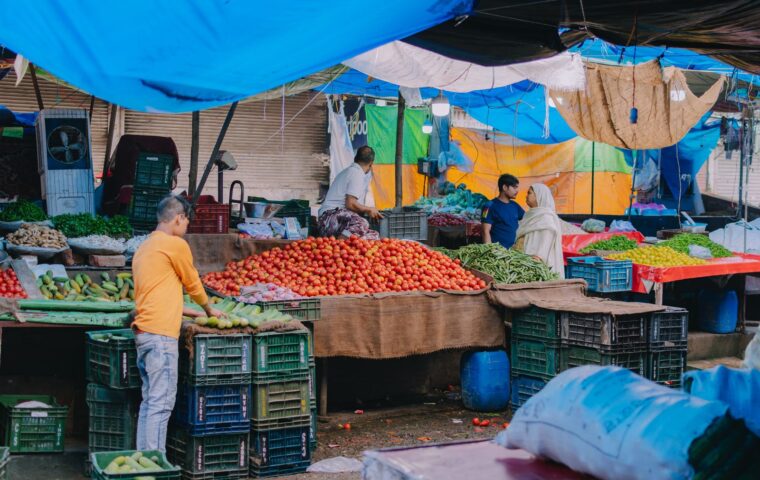
Markets are the friendliest place to eat free-from on a budget, because the food is in front of you and the cook is right there. You can see the grill, point at the rice, ask the one question that matters, and watch your answer being made.
Sticky-rice mango in a Bangkok lane, grilled corn with chilli and lime in Oaxaca, a paper twist of roasted chestnuts in Florence, vivid, cheap, and safe when you can watch the pan. The visibility is the safety; the low price is the bonus.
Shared fryers and shared sauce brushes are the quiet culprits. Oil that crisped a battered fritter is not safe for your “naturally GF” snack, and a basting brush carries soy or marinade between everything it touches. Ask what else goes in the oil, and ask before they brush.
Restaurants have their place for a treat, but they are where the gluten-free tax bites hardest, the dedicated menu, the careful kitchen, the premium. Save them for once or twice a trip and let stalls carry the everyday.
Build a small bag of safe snacks for the gaps
The expensive coeliac moment is never dinner. It is the 3pm train, the delayed flight, the hill town where everything shut at two and the only shop sold pastries. Hunger plus no safe option equals overpaying, every time.
So I keep a rolling stash: a few rice cakes, dark chocolate, nuts, a piece of fruit, topped up at each supermarket stop. It weighs nothing and has saved me from countless 8-euro airport “gluten-free wraps” bought out of pure desperation.
Somewhere the cuisine leans naturally rice-based, this gets effortless. Watching how a backpacker ate well in Tokyo on around ten dollars a day is a quiet masterclass: onigiri, grilled fish, convenience-store eggs, a whole city of cheap food where rice, not wheat, is the default.
Choose your destinations with your diet in mind
Not every country is equally easy, and that is worth weighing before you book. Some cuisines are practically built for you; others bury wheat in places you would never expect.
| Easier for naturally GF budget eating | Trickier (wheat hides widely) |
|---|---|
| Mexico, corn tortillas everywhere | Northern France, bread, pastry, roux culture |
| Thailand & Vietnam, rice and rice noodles | Belgium & Germany, wheat beer, dumplings, sauces |
| South India, rice, lentils, dosa, thali | Italy’s pasta heartlands, though GF awareness is high |
| Georgia, beans, grilled meats, cheese | Japan, easy if you manage soy sauce |
None of this is a no-go list. I have eaten gloriously and cheaply in every “trickier” place above. The harder countries simply reward the prep more, the card, the keywords, the kitchen night, while the easier ones let you relax into the food at once.
Isn’t eating gluten-free always more expensive?
Only if you buy the labelled, processed versions, the GF bread, pasta, and biscuits. Lean on dishes that were never gluten, like rice, corn, and beans, and you often spend less than other travelers, because those staples are the cheapest food in most countries.
How do I handle restaurants in a language I don’t speak?
Carry a written allergy card in the local language and hand it over rather than relying on live translation. Learn to recognise two or three printed words, wheat, flour, soy sauce, so you can screen a menu yourself, and favour open kitchens and stalls where you can watch the food being made.
What’s the one thing that catches coeliac travelers out most?
Cross-contamination in shared equipment, especially fryers and basting brushes, plus hidden wheat in sauces like soy and many gravies. A dish can be made of safe ingredients and still get contaminated at the last second, so always ask what shares the oil or the brush.
Eat the way a careful local eats, and gluten-free abroad stops feeling like a restriction and starts feeling like a shortcut to the realest, cheapest food a place has. The socca, the dosa, the corn tortilla were waiting for you all along. Pack the card, learn five dishes, and go hungry into the markets.