
I keep a spreadsheet of every bag, charger and pair of shoes I’ve travelled with since 2016, along with what each one cost and the date it died. It is exactly as joyless as it sounds, and it has taught me one stubborn thing: price and lifespan are only loosely correlated.
Some of my most expensive purchases failed first. A $40 pack is still going. The pattern isn’t random, though. Cheap gear lasts when it’s simple, when it avoids the one part that always breaks, and when nobody bothered to make it thinner to hit a luxury weight target.
Here are nine items that have beaten their premium counterparts in my own use, with the rough numbers and the specific failure points that explain why. Treat the prices as illustrative, they drift, but the reasoning holds.
1. A simple top-loading daypack
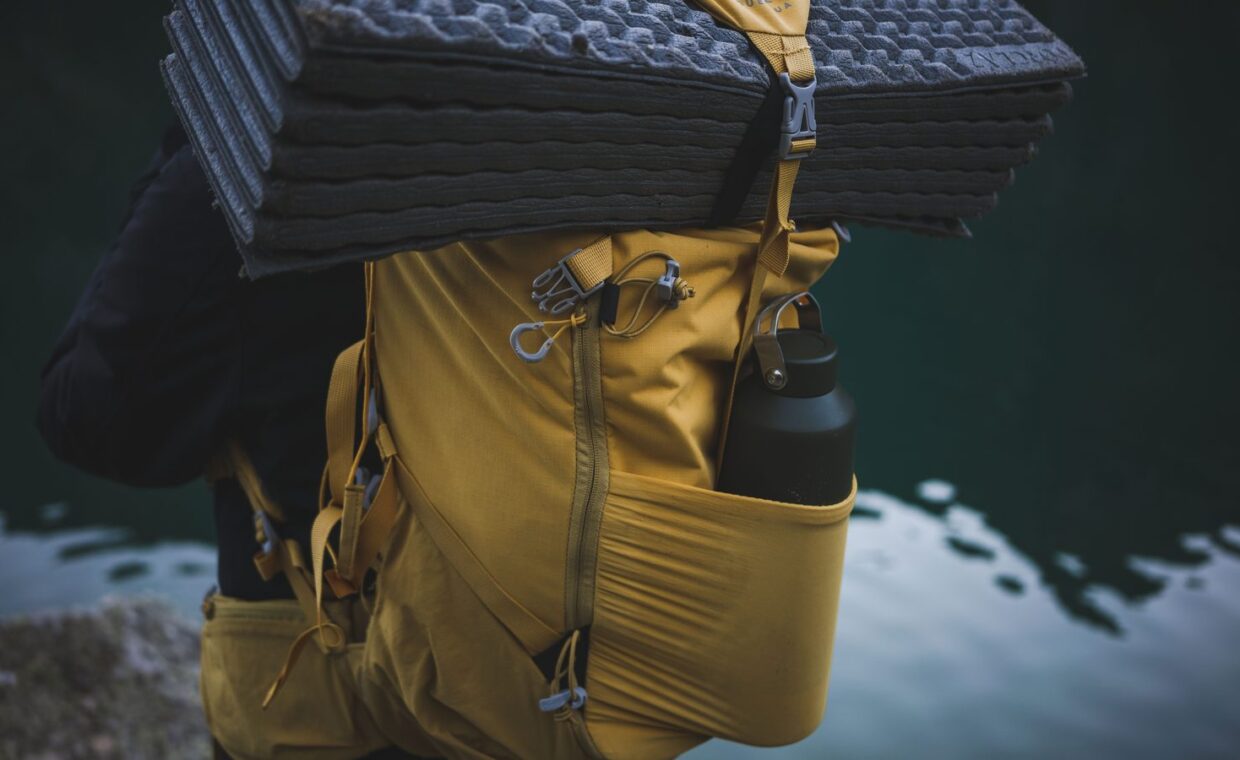
My $35 top-loader has outlived two daypacks that cost three times as much. Both of the expensive ones failed at the same place: a zipped front compartment whose slider eventually jammed with grit and gave up.
The cheap one has one main compartment and one zip. Fewer moving parts, fewer failure points, the same logic that makes a basic watch outlast a complicated one. It isn’t elegant, but I’ve never stood in a hostel doorway swearing at a stuck zip on it.
Count the zips. Every zipper is a potential failure point, and the cheap-but-chunky YKK sliders outlast the slim designer ones that brands fit to save a few grams.
2. A 30-litre rucksack over a “travel system”
The modular travel packs with detachable daypacks look clever and weigh a tonne. I carried one for a year, then replaced it with a plain 30-litre rucksack at roughly half the price. It has done four years since without a stitch coming loose.
The detachable bits are where stress concentrates, clips, straps and seams that flex on every commute. A single sewn panel has nothing to come apart. If you’re building a carry-on-only setup, this is the piece I’d spend the least on; the discipline of packing light matters far more than the bag, as I argue in how to pack light enough to skip checked baggage for good.
3. Unbranded packing pouches
I’ve bought premium packing organisers and a five-pack of generic zip pouches for about $12. Two years on, they’re indistinguishable in wear, except the cheap ones have a marginally more reliable zip pull.
Packing organisers are, fundamentally, fabric bags with a zip. There is very little a premium brand can add to that brief. If you’re weighing the format itself rather than the label, I went deep on it in packing cubes versus compression bags, the choice of type changes your packing far more than the price tier does.
4. A $15 quartz watch
I wear a cheap quartz watch when I travel and leave anything nicer at home. Not for fear of theft, though that helps, but because it genuinely lasts. One battery a year, water-resistant enough for rain and a sink, and if it vanishes I’m out fifteen dollars.
The expensive automatic I used to travel with needed servicing, hated being knocked, and made me anxious. A tool that makes you anxious to use it isn’t a good travel tool, however nice it looks on the wrist.
5. Merino socks bought on sale, not the matching kit
Here’s a distinction worth drawing: cheap material is the enemy, but cheap branding isn’t. I buy genuine merino socks, just not the flagship ones. Last-season colours and outlet stock run maybe $12 a pair instead of $25, and the fibre is identical.
They’ve survived dozens of hand-washes where cotton socks would have gone hard and grey. The premium is mostly for the current colourway, which no one on a night train will be assessing.
6. A refillable silicone bottle set
I’ve watched fancy aluminium travel bottles corrode at the thread and leak shampoo through a backpack, a memorably grim afternoon in Tbilisi. My $8 silicone squeeze set has no metal to corrode and survives being sat on.
Silicone flexes instead of denting, and the wide caps are easy to clean. This is a case where the cheaper material is simply better suited to the job, not a compromise you tolerate to save money.
7. A wired earphone backup
I love my wireless earbuds right up until the battery sulks at 2% on a long-haul leg. So I keep a $10 wired pair, and the same cheap pair has lived in my bag for three years. No battery means nothing to degrade, they will sound the same in 2030 as they did the day I bought them.
Premium wired earphones cost more and offer me nothing I’d notice on a noisy aircraft. The whole value here is redundancy at a price low enough that I never think twice about it.
Notice the common thread: the cheap winners are simple, avoid a battery or a delicate moving part, and don’t sacrifice durability to hit a premium weight or finish. That’s the filter, not the price tag.
8. A microfibre travel towel
Branded travel towels and a generic microfibre one perform near-identically, and the cheap one packs down just as small. The marketing around “antimicrobial” coatings is doing more work than the coating itself, which washes out long before the towel wears out.
Mine cost about $9 and has dried me off after more cold hostel showers than I care to count. It frays slightly at one corner; that is the full extent of four years’ damage.
9. A basic power bank in the 10,000mAh range
Power banks are the one place I’d actively warn against both extremes. The ultra-cheap no-name ones overstate their capacity and sometimes their safety; the ultra-premium ones charge you for an app and a screen you’ll never use.
A reputable mid-budget 10,000mAh brick, around $20, hits the sweet spot. Mine has held roughly 80% of its rated capacity after three years of daily abuse, which, for a battery, is the figure that actually matters. Big enough to revive a phone twice, small enough to clear cabin rules without a second look.
“Cheap” has a floor. With anything that holds a charge or plugs into mains, drop below a recognisable brand and you’re gambling on the part that can genuinely fail badly. Budget, yes; bottom-of-the-barrel, no.
How I actually decide
My rule after all those spreadsheet entries is plain. Spend down on anything that’s basically fabric, simple, or batteryless, pouches, towels, socks, daypacks. Spend to a sensible mid-tier on anything electrical or load-bearing for your whole trip. And ignore the finish: a slightly uglier bag that survives five years beats a handsome one you replace twice.
The gear barely matters next to where you point the savings. The hundred-odd dollars you don’t sink into a designer pack is roughly one budget return flight, so I’d rather put that energy into the booking, which is why I spend more time in the tools I round up in the flight search tools worth opening first than in any gear shop.
Is expensive travel gear ever worth it?
Sometimes, for anything load-bearing on a long trip, or electrical, a recognised brand buys you real reliability. The waste is paying premium prices for simple fabric items where the cheap version is functionally identical.
How do I judge durability before buying?
Count the failure points. Fewer zips, no detachable modules, no battery, and chunky standard hardware over slim designer fittings. The thing with the least going on usually lasts the longest.
Where should I never go cheap?
Anything that stores power or plugs into the wall. A no-name power bank or charger can fail in ways that ruin a device or worse. Buy mid-tier and recognisable there, and save on the soft goods instead.
None of this is glamorous, and that’s rather the point. The kit that quietly works for years is almost never the kit that photographs well in a launch video. Keep it simple, spend where failure actually hurts, and put the difference toward the trip.