

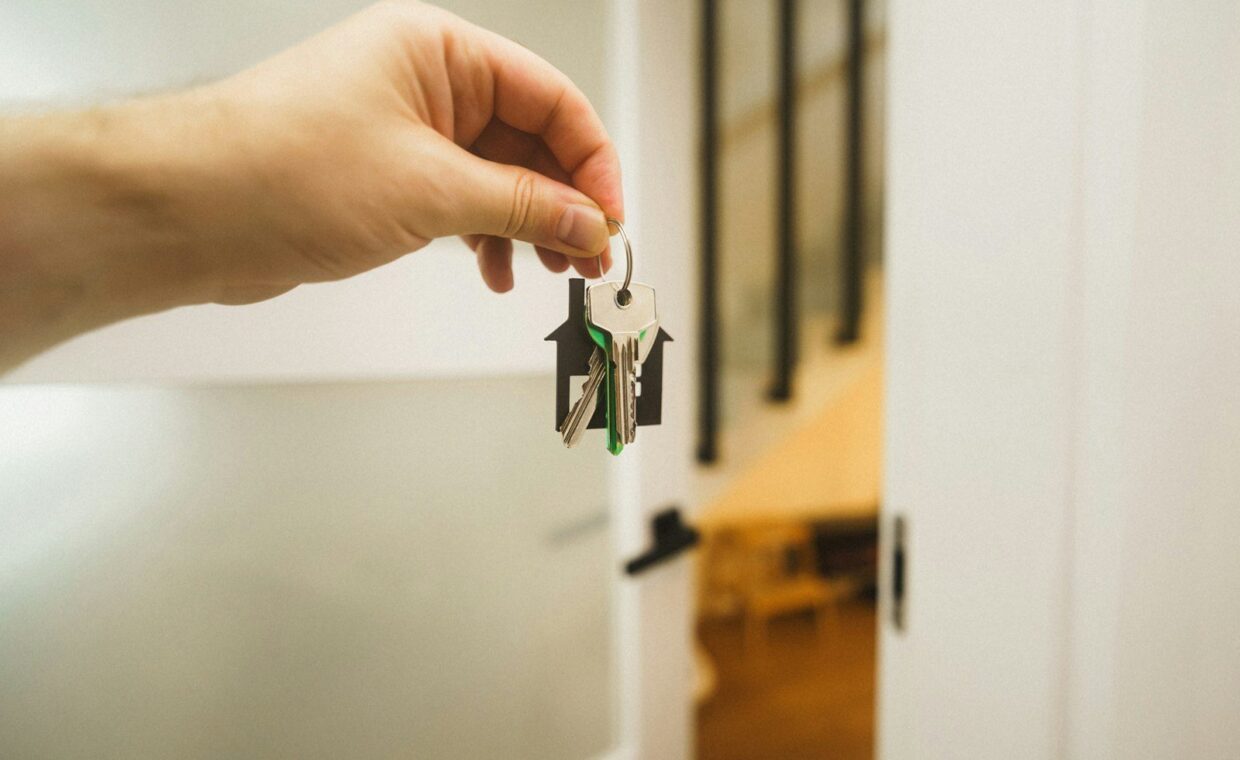
The apartment in Palermo smelled of someone else’s morning coffee and the lemon tree pushing through the courtyard below. I’d booked it for thirty-one nights at less than half the headline price, and the only reason I got that rate was a three-line message I sent before I ever clicked “reserve.” The host wrote back within an hour, dropped the nightly figure, and threw in a forgotten bicycle rusting in the hallway.
Here is the thing almost nobody tells you: the long-stay discount is real, it’s common, and it is almost never the number you see first. Stay a month and you become a guaranteed, low-effort income that saves a host cleaning fees, listing gaps, and the anxiety of an empty calendar. They want you. You just have to make it easy to say yes.
I’ve negotiated extended stays in Sicily, Tbilisi, Oaxaca, and a damp flat in Porto. The script barely changes.
Start by reading what the calendar is telling you
Before you type a single word, look at availability. A calendar wide open three weeks out is a host who is, quietly, a little worried, and that worry is your leverage. A place booked solid all season has no reason to discount, and asking just makes you look like you skipped your homework.
I scan the next two months for gaps, then check whether they already offer a weekly or monthly discount automatically, many do, buried in the price breakdown. If 20 percent off a month is already baked in, that’s your floor, not your ceiling. You negotiate down from there.
Shoulder and low season are where the real movement happens. A host in a beach town in November is hungry in a way they aren’t in July. The same flat that won’t budge in summer might drop 35 percent off-peak.
Write the message hosts actually want to receive
This is where most people fumble. They send “any discount for a month?”, which reads like haggling at a market stall, and hosts hate it. You want to sound like the easiest guest of their year.
I lead with who I am and why I’m a low-maintenance bet: “Hi Marco, I’m a writer spending five weeks in Palermo on a project. I’m quiet, I cook for myself, I don’t throw parties, and I treat a place like my own. I’d love to book the apartment for the whole of October. Could you do a monthly rate?”
Notice what’s doing the work. Quiet. Cook for myself. The whole month. You’re not asking a favour, you’re describing a problem you solve for them. Then, and only then, the number.
A booked month means zero turnover cleaning, no nightly price-fiddling, no awkward gaps, and predictable cash. Frame your stay as removing all four headaches and the discount becomes the obvious move.
Anchor the price, then go quiet
When the host replies, they’ll usually float a figure, the nightly rate minus their standard monthly discount. That’s the opening, not the close. The move: name a specific lower number and tie it to a real reason.
“That’s around $1,500 for the month. I was budgeting closer to $1,200, would that work if I pay in full upfront and skip the cleaning service, since I’m staying so long?” Two gifts in one sentence: cash in hand now, and a cost removed for them.
Then I stop talking. Silence after an anchor is uncomfortable, and that discomfort works in your favour far more than another round of pleading. Roughly half my negotiations settle within $50 of that first counter-number.
Trade things that cost you nothing
If the price won’t move, the value can. Hosts often can’t drop the headline rate, but they can sweeten the stay in ways that put real money back in your pocket.
I’ve talked my way into included laundry (a real win when you pack light enough to treat a night train as your bed between cities), a parking spot, a late checkout that saved a hotel night, and once, in Tbilisi, a standing invitation to the host’s mother’s Sunday supra. Flexibility is its own currency.
- Get utilities and Wi-Fi confirmed as included, these quietly inflate “cheap” monthly stays.
- Offer to handle small things: take the bins out, water the plants, accept a package.
- Propose flexible dates to plug a hole in their calendar; a Tuesday-to-Tuesday month is a gift.
Move the conversation off-platform, carefully
Once a host trusts you, many would rather book directly and skip the platform’s cut of 12 to 18 percent. That saving can be split, and on a month it’s not small money. I let the host raise it; suggesting it yourself can feel sketchy, and some platforms ban arranging payment off-site.
Going off-platform means losing the payment protection and dispute resolution. Only do it with an established host who has years of reviews, a verified identity, and a real address you can find on a map. For a new host or listing, the platform fee is cheap insurance, pay it.
When I do go direct, I ask for a simple written agreement covering dates, total price, what’s included, and refund terms. Nothing lawyerly, just a message thread that says the same thing twice so there’s no “I thought you meant…” three weeks in.
Know your walk-away number before you start
Negotiation only works if you’re genuinely willing to leave. Before I message anyone, I price the alternatives so I know what “too expensive” means for this trip. I’ll have already mapped a route that holds a tight daily budget and a couple of comparable flats open in other tabs, so no single host has all the power.
That confidence changes how you write. You’re not desperate; you’re choosing, and hosts feel it even through a text box. If they won’t reach a number that fits your trip, thank them and move on. There’s always another lemon-scented courtyard.
The mistakes that cost you the discount
A few patterns sink negotiations early. Messaging the day before you arrive removes all your leverage, desperation is not a discount. Sounding like a haggler rather than a dream tenant makes hosts defensive. And forgetting to confirm what’s included means you “save” 30 percent on rent, then hand it back in surprise utility charges.
The same instinct that makes a great long-stay guest makes a great house-sitting candidate, and many of the trust-building errors that get applicants passed over for free stays are the ones that lose you a discount here too. Show you’re reliable, specific, and kind. That’s the whole game.
Read the calendar for leverage, write a message that solves the host’s problem, anchor low with a reason, trade things that cost you nothing, and know the number that makes you walk. The discount is sitting there, you just have to ask like a person worth saying yes to.
How big a discount is realistic for a month-long stay?
Most hosts go 20 to 40 percent off the nightly rate for a full month, with the bigger drops in low season or on listings with obvious calendar gaps. In peak season, expect closer to 15 percent. Always check whether a weekly or monthly discount is already applied before you ask for more.
Is it rude to ask a host for a lower price?
Not at all, but how you ask is everything. Hosts dislike blunt haggling and love a guest who makes their life easier. Lead with why you’re a low-effort, trustworthy tenant and a full-month commitment, then ask for a monthly rate. Framed that way, you’re offering them a good deal, not begging for one.
Should I book through the platform or pay the host directly?
For an established host with years of reviews and verified details, paying direct can save the platform fee, which you can split. For new hosts or new listings, stay on-platform to keep the payment protection and dispute support. Let the host suggest going direct rather than proposing it yourself.
I still think about that Palermo bicycle, squeaking down to the market each morning for blood oranges and warm focaccia, all because of one well-judged message. The discount was never the hard part. Asking well was. Send the note before you book, and watch how often the price quietly comes down to meet you.