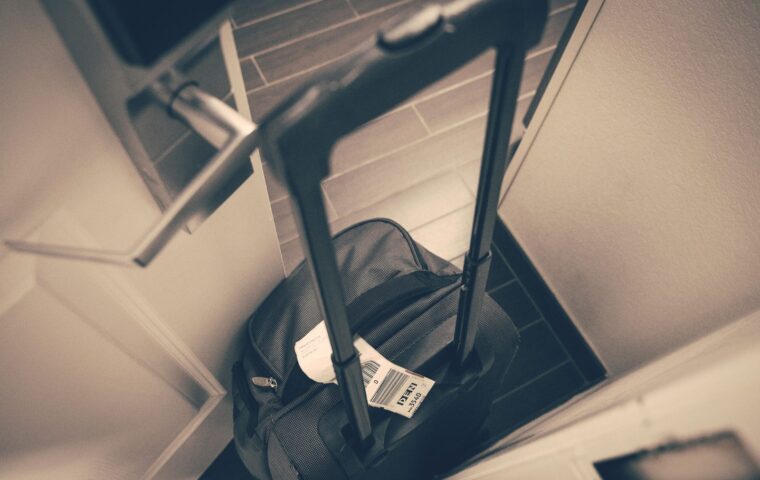

The first time I weighed my packed bag in my hallway, not the morning of the flight, but three days before, I felt slightly ridiculous. Then it read 11.4 kilos against an 8-kilo cabin limit, and I started unpacking.
Most of what came out wasn’t broken or useless. It was stuff I’d packed out of habit, fear, or a vague “what if.” Overpacking is rarely one heavy object, it’s ten small hedges against unlikely problems, each costing weight, space, and sometimes a checked-bag fee you didn’t need to pay.
Here are the ten things most seasoned budget travelers leave behind, plus the calmer choice that replaces each one. None of it is about suffering with nothing, just carrying only what earns its place.
1. A week’s worth of clothes for a two-week trip
The single biggest weight saver isn’t a clever gadget, it’s accepting that you will do laundry. Packing fourteen outfits for fourteen days is how a carry-on becomes a checked bag.
I pack for five to seven days and wash along the way. A sink, a little travel detergent, and a quick-dry shirt cover the gap between laundromats. If the idea makes you nervous, here is my routine on how to do laundry on the road so you can pack less, the habit that makes everything else here possible.
Lay out everything, then remove a third. If you can’t picture missing it within the first three days, it’s a candidate to stay home.
2. “Just in case” shoes
Shoes are heavy, bulky, and weirdly tempting to over-pack: the dressy pair for a dinner that may not happen, the boots for a trail you haven’t booked, the backup sandals.
I travel with two pairs, a comfortable walking shoe I wear on the plane, and one that’s a step dressier or made for sand. A neutral sneaker that reads as smart-casual covers far more situations than people think.
3. Full-size toiletries
A full bottle of shampoo weighs more than three days of clothing and is the fastest way to fail a cabin-bag liquids check. Hotels, hostels, and the small shop two streets over all sell shampoo.
I decant what I need into small refillable bottles and buy the rest there. Bar shampoo, conditioner, and soap go further, no liquid limit, no leaks, and they last for weeks. For families, a child’s kit rides in the same pouch.
4. A travel hairdryer (and most appliances)
Nearly every place you’ll stay already has a hairdryer, and a travel one is a brick of weight for ten minutes of daily use. The same goes for travel irons, kettles, and clip-on fans.
Before packing any appliance, I check the listing or ask the host: “Is there a hairdryer in the room?” The answer is almost always yes. When it isn’t, a steamy bathroom handles creased clothes without a single watt.
5. A thick guidebook
I love a good guidebook at home, on the sofa, planning. I do not love carrying 600 grams of glossy paper around a city when my phone holds the same maps, hours, and reviews, updated.
I save the few pages I’ll actually reference, download offline maps, and leave the book behind. The weight saved here is small alone, but this list works by addition, every 200 grams is closer to walking past the bag drop.
6. Valuables and sentimental jewelry
This one isn’t about weight. It’s about worry. The expensive watch, the heirloom ring, the necklace you’d hate to lose, they don’t belong in a hostel locker or a beach bag.
Anything you couldn’t bear to lose or replace shouldn’t travel. Pickpockets aside, things get dropped, forgotten in safes, and washed away. Pack the costume version and save the real one for home.
A cheap second watch and a few inexpensive pieces let you look put-together without the low hum of anxiety following you down every crowded street.
7. Too many books and a separate e-reader and tablet
Three paperbacks “for the beach” is a kilo of paper you’ll finish one of. And a phone plus a tablet plus an e-reader means three chargers and three things to lose.
I bring one device that reads books and does most of what a tablet does, or I read on my phone. For families, consolidating to fewer screens and one multi-port charging brick is a genuine sanity saver.
8. A heavy towel
A standard bath towel is bulky, slow to dry, and turns sour in a packed bag within a day. Yet people pack them constantly, picturing a beach with no rentals.
A microfibre travel towel folds to paperback size, dries in an hour, and weighs almost nothing. Most accommodation provides towels anyway, so it’s just insurance for spontaneous swims and bare-bones hostels.
9. “Backup” gadgets and cables you don’t use
The tangle of spare cables, the second power bank, the adapter for countries you’re not visiting, these accumulate in a side pocket and quietly add up.
Before each trip I empty the electronics pouch onto the bed and put back only what matches my itinerary: one adapter for the right region, one power bank, the exact cables my devices use. It’s the difference between finding your charger in five seconds and digging through a knot at 6 a.m.
Almost everything here is a hedge against a problem you can solve on the ground, a shop, a host, a laundromat. Destinations have stores. Trust that, and your bag shrinks on its own.
10. The “in case I have time to…” kit
The yoga mat for sessions you won’t book. The watercolours for paintings you won’t make. The running shoes for a routine you drop by day two. Aspirational packing turns good intentions into dead weight.
I pack for the trip I’ll actually take, not the idealized version of myself who does sunrise yoga abroad. If a hobby genuinely anchors your travel, keep it. If it’s a “maybe,” leave it and rent on the rare occasion you follow through.
Packing for a family without the pile-up
Everything above scales down for kids, with one caveat: parents tend to pack for every imaginable emergency. A small first-aid pouch, a change of clothes per child in the day bag, and a couple of comfort items earn their place. A full wardrobe does not.
One family I find inspiring flew five people carry-on only, their carry-on-only system that saved on every ticket shows the per-person method in detail. Skip checked bags for five people and you often save more than a night’s accommodation, every flight.
That money doesn’t have to vanish into the trip, either. One household I followed crossed the continent largely on points, see how a family of four crossed Europe on points for almost nothing. Lighter bags and smarter spending travel together.
Pack for five to seven days, wash as you go, and trust that destinations sell shampoo and have hairdryers. Leave the valuables, the aspirational hobby kit, and the spare everything at home.
But what if I genuinely can’t find what I need at my destination?
For mainstream items, toiletries, basic clothing, towels, you almost always can, even in small towns. The rare exceptions are specific medications and prescription glasses, which you should absolutely pack. For everything else, a quick map search for a pharmacy near your stay settles it.
How do I pack this light and still look presentable?
Build around a neutral palette so pieces mix and match, and choose fabrics that resist wrinkles and dry overnight. A scarf or one smarter shirt changes an outfit without adding bulk. Looking put-together is about coordination, not quantity.
Is carrying a travel towel worth it if accommodation usually provides one?
For most hotel-based trips, no. For hostels, beach days, or anywhere bare-bones, a microfibre towel that packs to paperback size is cheap insurance. If your itinerary is all proper hotels, leave even that at home.
None of this is about deprivation. It’s noticing how many things we pack to soothe a worry rather than meet a real need. Weigh your bag a few days early, pull out the hedges, and you’ll walk through the airport lighter, in more than one sense.