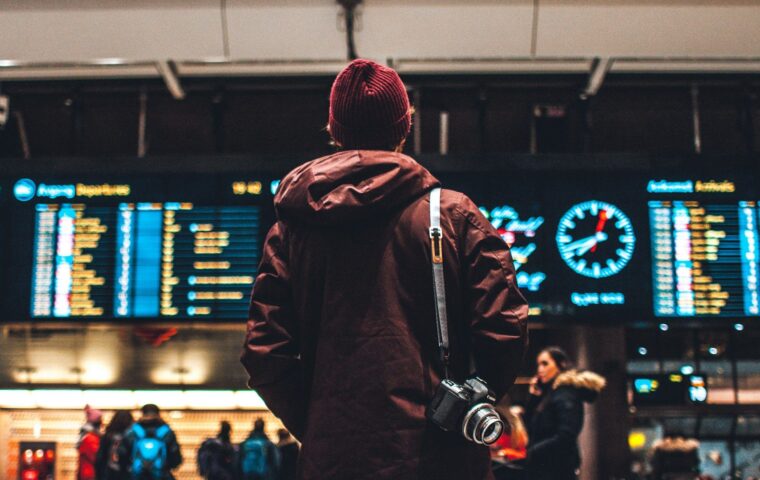

The first time I flew a positioning flight, I felt like I was getting away with something. I wanted to fly from my home airport to Bangkok, and the direct-ish fare was sitting at around $900. But a near-identical long-haul leaving from a bigger hub three hours away was going for $480. So I booked a $35 regional hop to that hub the night before, slept in a cheap airport hotel, and walked onto the cheaper plane the next morning.
That single decision saved me close to $380. Not points, not a mystery hack, just the willingness to start my journey from a different city than the one I live in.
A positioning flight is exactly that: a small, separate flight you book to reach the airport where the fare you actually want is cheapest. Airlines price the same route wildly differently depending on where it departs. Here’s how I plan one without tripping over the parts that can quietly erase the saving.
Step 1: Figure out where your “real” flight is cheapest
Before booking anything, find out which departure cities are dramatically cheaper for the route you want. This is the whole game, and it takes about ten minutes.
Search your destination from your home airport first, note the number, then run the same dates from three or four bigger hubs within a few hours of you, by train, car, or a short flight. Major international gateways almost always undercut smaller regional airports, sometimes by hundreds.
What you’re hunting for is a gap big enough to be worth the hassle. If the cheaper hub saves $40, skip it, by the time you add the hop and a coffee, you’ve broken even. If it saves $300, now we’re talking.
I only chase a positioning flight when the fare gap is at least three times the cost of the hop, and ideally bigger. A $50 hop needs to clear at least $150 in savings before I’ll bother packing a night bag.
Step 2: Price the hop honestly, all of it
The positioning flight itself is usually the cheap, easy part. A short regional or budget-airline hop can be $20 to $60 if you book it a few weeks out. But the real cost isn’t just the ticket.
Add getting to and from both airports, any bag fees on the budget carrier, and, the one people forget, a night’s accommodation if your timing forces an overnight. A $30 flight that needs a $70 airport hotel is really a $100 flight. Often still worth it, but do the maths with your eyes open.
I keep a tiny tally on my phone: hop fare, transport, bag, bed. If that total sits comfortably below the saving from Step 1, I book. If it’s close, I pass, the stress isn’t worth shaving off twenty bucks.
Step 3: Build in a buffer you’d be embarrassed to call generous
Here is where positioning flights go wrong, and it’s almost always the same mistake: people connect them too tightly, as if the two tickets were one smooth journey. They are not.
Because you booked the hop and the long-haul separately, the airline owes you nothing if the first one is late. There’s no protected connection, no rebooking, no apology. If your positioning flight is delayed and you miss your $480 long-haul, you’ve just bought a very expensive lesson.
So I overbuild the buffer on purpose. For a same-airport connection I want at least three to four hours between landing and the next departure, and honestly I prefer to fly in the night before and sleep near the terminal. That adds a hotel cost, but it converts a nail-biting sprint into a calm morning. For the fuller picture, I wrote up the specific airport layover mistakes that turn a bargain into a missed flight, and every one applies double when the tickets aren’t linked.
If your bag is checked through on the long-haul, you’ll usually need to collect it after the positioning flight and re-check it. Plan to carry on where you can, it removes a whole category of things that can go wrong.
Step 4: Decide whether to position before or after
Most people think of positioning flights as something you do on the way out. But the cheaper fare sometimes shows up on the return, and you can position home just as easily.
If the bargain long-haul lands you back at a hub that isn’t home, you simply book a cheap hop for the last leg. The same buffer logic applies in reverse, though it’s more forgiving, miss the final hop and you’re stranded somewhere familiar, not at the start of a two-week trip.
I’ve also mixed the two: positioned out from one gateway and home into another, choosing whichever combination kept the total lowest. The flexibility is where a lot of the saving hides.
Step 5: Hold the cheap fare before you commit the hop
Sequence matters. The expensive, harder-to-find piece is the long-haul, so lock that down first, or at least confirm the exact price and seat availability, before you pay for the positioning flight.
I’ve watched a brilliant fare vanish in the time it took me to book the connector, which left me holding a $35 hop to a city I no longer had a cheap reason to visit. Now I treat the long-haul as the anchor: it goes in the basket first, the hop second. Some travellers go further and stack this with points to make the positioning leg nearly free; a family I know did something similar and wrote it up in their points-funded trip across Europe, where the short connecting flights cost them almost nothing.
Step 6: Keep a record so the saving is real, not imagined
A positioning flight only counts as a win if it actually came out cheaper than the simple direct booking, and it’s surprisingly easy to fool yourself once you’ve added hotels and transfers.
After every trip, I jot down what the lazy option would have cost versus what I actually paid, all in. Sometimes the gap is huge; occasionally it’s slimmer than expected and I note not to bother on that route again. Auditing your own choices is the single biggest thing that’s lowered my travel spend, one traveller tracked it obsessively and trimmed a fortnight by nearly half, which I broke down in this two-week trip that came in forty percent cheaper.
They reward flexible travellers with carry-on luggage and a bit of schedule slack. If you’re locked to exact dates, travelling with checked bags and small kids, or allergic to early mornings, the savings may not justify the moving parts.
A quick worked example
Say a beach trip from your local airport quotes around $760 return, while a gateway two hours away has the same route for roughly $410. Add a $45 hop each way and a $65 airport hotel the night before, and your all-in total lands near $565, about $195 saved for a couple of hours of planning. That’s the kind of trip where positioning earns its keep.
Is booking a positioning flight against airline rules?
No. You’re simply buying two ordinary tickets and choosing to start your journey from a different city. That’s completely allowed, unlike skiplagging or hidden-city tricks, you fully intend to take every flight you’ve paid for.
What happens to my checked bag between the two flights?
On separate tickets your bag won’t transfer automatically, you’ll usually collect it and re-check it for the long-haul. The cleanest fix is to travel carry-on only so there’s nothing to chase between gates.
How much should I save before a positioning flight is worth it?
I look for the fare gap to be at least three times the full cost of the hop, including any overnight. If a $50 connector clears $200 or more in savings, it’s an easy yes; if it only saves $60, I leave it.
Positioning flights aren’t clever or secret, they’re a refusal to accept that your nearest airport sets your price. Once you’ve felt the saving land in your account, you start checking nearby hubs out of habit. Run the numbers, build a buffer bigger than feels necessary, and let a cheap little hop carry you to a much better fare.