
The first time I had a truly broke day in Copenhagen, I was almost embarrassed by how good it turned out. I’d misjudged my budget, had about 90 kroner until a transfer cleared, and assumed the day was a write-off. Instead I walked the harbour, sheltered from the rain in a free botanical glasshouse, and watched the changing of the guard at Amalienborg, all for nothing.
That day reset how I think about expensive cities. Their reputation, Zurich, Tokyo, Singapore, London, the Nordic capitals, comes from what tourists get funnelled toward: the rooftop bar, the hop-on bus, the queued headline attraction. Step half a block sideways and there’s a parallel city locals actually use, and a surprising amount of it is free.
Here are eight things I lean on to make a costly city affordable for a day, real ways to spend hours, not minutes.
1. Time your visit to the museum’s free window
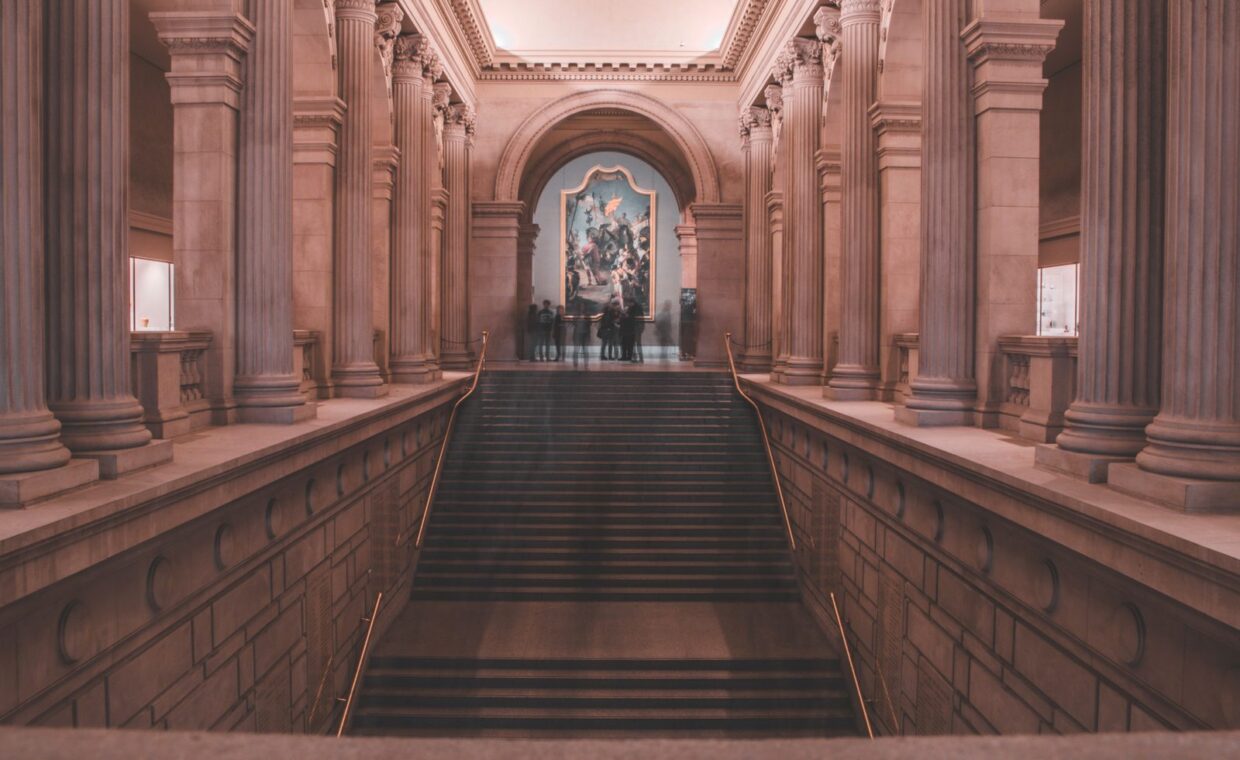
Almost every world-class museum has a free door somewhere, you just have to find the hour. London is the obvious champion: the British Museum, the Tate, and the National Gallery are free all day, every day. But the pattern repeats wider than people expect.
Paris museums are free on the first Sunday of many months. New York’s bigger institutions run “pay-what-you-wish” evenings, and Berlin and Amsterdam collections often have a free weekday window if you book ahead. Plan the route, not the rate, once a place is free Thursday from 5pm, you build the day around it.
Search the museum’s own site for “free admission” rather than trusting a third-party listicle (including this one). Policies change, and the official page is the only current one. Then set a calendar alert, because the good free slots fill.
2. Take the free walking tour, then tip like a human
Most expensive cities have a “free” walking tour, the pay-what-you-feel kind run by local guides. The model can feel awkward, but I’ve had some of my best afternoons this way, and a good two-hour tour earns a tip of whatever a coffee-and-cake costs locally.
What you’re really buying is orientation. A good guide hands you the mental map of a city in two hours, which neighbourhood has the cheap lunch, which “must-see” is a tourist tax, where locals actually drink. That saves you money for the rest of the trip, which is the kind of compounding win behind the warning signs that you’re about to overpay: the cheapest move is often just knowing where the markup hides.
3. Walk the water, every great city has a free edge
Rivers, harbours, and seafronts are the most underrated free attraction on earth, and expensive cities have the best ones because the waterfront is where they spent their money. The Thames Path, Stockholm’s island bridges, Sydney’s harbour walk from the Opera House around to Mrs Macquarie’s Chair, all free, all the postcard, none of the ticket.
Build a half-day around it: a cheap bakery coffee, one bank out and the other back, the city doing the entertaining. I’ll trade an over-priced observation deck for a riverside walk with a 7-Eleven onigiri in hand any day.
4. Find the free viewpoint hiding above the paid one
The paid observation deck almost always has a free rival nearby. In Tokyo, the Metropolitan Government Building observatories are free and roughly as high as the deck people queue an hour to pay for. London has Sky Garden, free, just book a slot, instead of the pricier towers.
Department-store rooftops are the quiet hero here. Across many Asian and European cities the top floor of a big store has a public terrace or window-wall, no spend required, though a scoop of gelato up there is money well spent. Search “free rooftop” plus the city name; a local blogger has usually mapped them.
5. Go to the market at the right time of day
A food market is free to wander, and timing turns it from sightseeing into a near-meal. Go in the last hour before close, when stallholders start discounting bread, cheese ends, and fruit they won’t keep overnight. You’re not begging, you’re the customer who shows up when they’d rather sell than bin it.
Borough Market in London, the covered markets of Barcelona and Budapest, Tokyo’s Tsukiji outer market in the morning, the samples alone can carry you. I once half-fed myself through a Zurich afternoon on tastings and one very good, very cheap chunk of mountain cheese. Pay for one small thing as a courtesy and graze the rest with your eyes.
Sometimes a tiny paid thing, a 4-euro standing-room concert ticket, a 2-franc tram up a hill, buys far more than its price. “Free” is the anchor, not the religion. Spend small where it clearly buys a lot.
6. Catch a free concert, service, or rehearsal
Some of the most expensive cities give away their best acoustics. Lunchtime recitals in old churches are a standing tradition across Europe, St Martin-in-the-Fields in London does them, and many cathedrals run free organ or choir sessions you can walk straight into.
You don’t have to be religious to sit in on Evensong; it’s free, often sublime, and nobody checks your beliefs at the door. Universities and conservatories are the other secret, student recitals and open rehearsals are often free and excellent. Scan the city’s “what’s on” board for “free” and “recital.”
7. Use the parks and gardens as your living room
In a pricey city, a great park is a free day out and a free place to do nothing, which is half of why we travel. London’s royal parks, Munich’s English Garden with its river surfers, designed to absorb hours.
Pack a supermarket picnic and the maths gets friendlier still: a 6-dollar bench lunch beats a 30-dollar one in a tourist square, with a better view. Botanical glasshouses, like the one that rescued my Copenhagen afternoon, are the move when the weather turns, free, warm, quietly beautiful.
8. Build a self-guided architecture and street-art walk
The city itself is the museum, and admission is your own two feet. Pick a theme, Art Nouveau facades, a street-art district like Berlin’s or Lisbon’s, and string the sights into a loop with a free map app and saved pins.
An hour of saving pins the night before turns a vague wander into a route with a story, and you stop paying the “lost and hungry near a landmark” premium. It’s the same instinct as funding a trip cleverly: the couple who bankrolled slow travel on cashback and rewards front-loaded the boring planning to keep spending low.
Sort your spending card before you go, so you’re not haemorrhaging fees on every coffee and ticket. A few percent on foreign transactions adds up fast in a high-cost place, check which travel card saves the most on foreign spending first, so the free stuff stays genuinely free.
Are free walking tours actually free?
They’re tip-based, not truly free. The guide works for whatever you give at the end, so budget a modest tip, roughly what a coffee and a slice of cake cost locally, for a good two-hour tour.
How do I find which museums are free, and when?
Check the museum’s own site under “admission” or “plan your visit,” since free days and pay-what-you-wish hours change often. Third-party lists go stale, so confirm on the official page before building your day around it.
Is doing free things in an expensive city respectful?
Yes, as long as you behave like a customer, not a freeloader. Tip guides, buy one small item at markets you graze, and treat churches and gardens with the quiet they’re owed. Free access is a courtesy worth honouring.
The real skill is chaining these so you never hit the dead, hungry, “let’s just pay for something” hour: a museum window in the morning, market grazing at lunch, a waterfront walk after, a rooftop at golden hour. Expensive cities aren’t expensive by nature, they’re expensive by default, because the easy choices cost the most. My broke day in Copenhagen is still one of my favourites, and it cost nothing but attention.