
I once kept a receipt from a week in Lisbon, folded in my pocket like a confession. The food was almost embarrassingly cheap: grilled sardines, salty cheese, bread still warm from the corner padaria. And yet my daily spend kept creeping up, and I couldn’t work out why.
It was the drinks. The 9am espresso I loved but didn’t need. The cold water grabbed at noon. The carafe of vinho verde that became two because nobody wanted to leave a good table. None of it felt extravagant in the moment. All of it, added up, cost more than the meals.
Drinks are the blind spot of the budget eater. We agonise over whether the set lunch is worth eight euros, then pour fifteen more down our throats without blinking. Here are the seven habits I see most, in others, and in my own guilty reflection, and the gentle ways to rein them in.
1. Buying bottled water like it’s free
This is the quiet killer. A single bottle costs a euro, so it never registers as an expense. But two or three a day across a fortnight is a restaurant dinner you drank, warm and forgettable, on park benches.
In a lot of countries the tap water is perfectly good, Western Europe, the Nordics, much of North America. I carry a one-litre bottle and refill it at the accommodation each morning. Where the tap genuinely isn’t safe, a cheap filter bottle pays for itself in about three days.
Refill before you leave the room, not when you’re already thirsty on the street. Thirst at 2pm in full sun is the most expensive feeling in travel, it makes you buy the first cold thing you see, at the worst possible price.
2. Treating café coffee as a free pass to sit
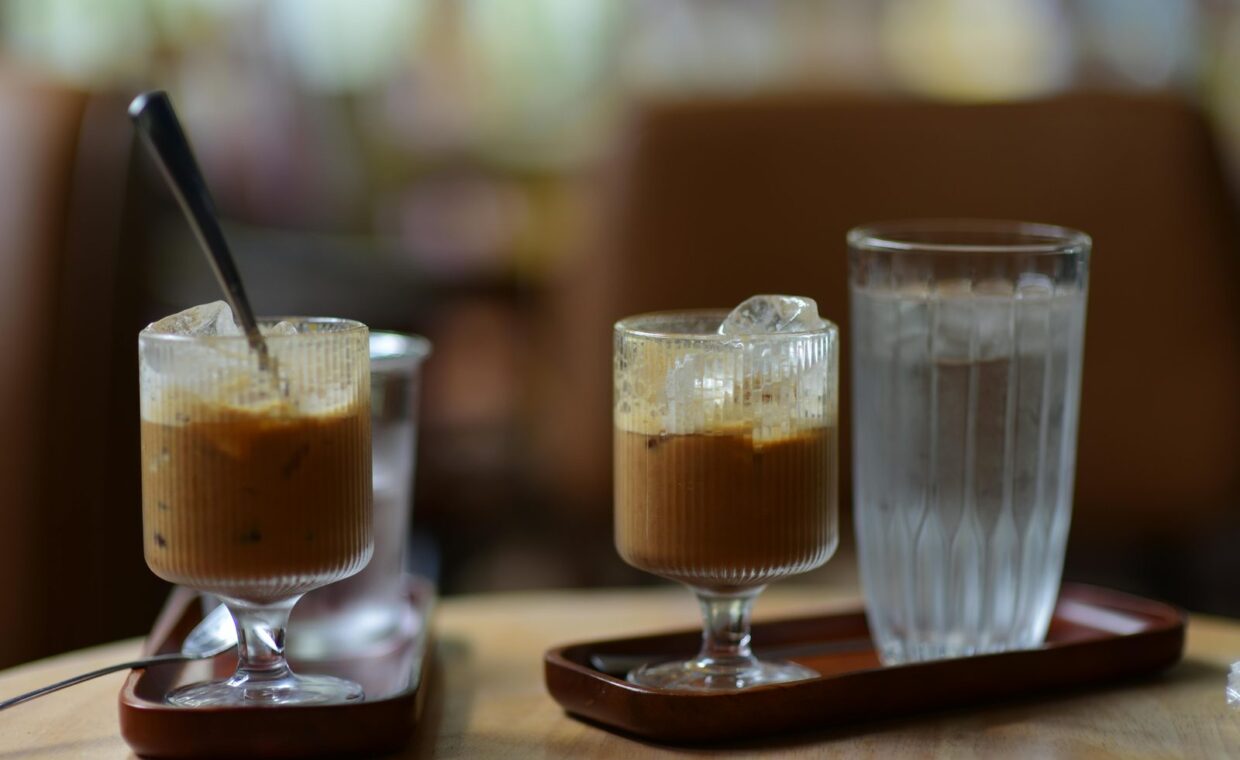
I adore café culture, the little cup, the saucer, the slow morning watching a square wake up. But there’s a difference between one ritual espresso sipped at the bar where locals pay a euro, and four lattes a day ordered as rent for a table and the wifi.
Coffee priced for tourists, served at a table with a view, can run three or four times the standing-bar price for identical beans. Have the morning one with intention, then notice when you’re ordering only to justify the chair you sat down in.
The fix is almost free: I drink my serious coffee standing at the counter like the regulars, and let the room’s kettle or a two-euro stovetop pot do the rest. Small per cup, enormous per trip.
3. Letting “a quick drink” become a round of rounds
Bar maths is sneaky and social. One person buys a round, honour says you buy the next, and suddenly four people are six drinks deep and the bill has lapped your whole day’s food spend. I’ve watched a budget that survived a week of market lunches evaporate in one warm Friday courtyard.
I won’t tell you to skip the evening, those hours are often the best part. But set the shape before you sit down. I’ll do the first round, then switch to house wine by the glass or a single local beer and nurse it. Nobody at a good table is counting your drinks; you’re the only one keeping score, and that’s allowed.
4. Drinking your calories instead of eating them
Here’s a sensory truth: a frothy iced caramel something, a fresh mango smoothie, a fizzy artisanal soda, these are delicious, and they are food pretending to be a beverage. A three-euro smoothie is a small meal in liquid form, and buying it on top of lunch doubles the cost of being full.
Somewhere with glorious fresh juice, Oaxaca, Bangkok, a Sicilian granita stand, I let the drink be the snack and skip the pastry I was about to grab anyway. Let the indulgence replace something, not stack on top of it.
5. Falling for the minibar and the lobby “convenience”
The minibar is a trap dressed as hospitality. A four-euro can of cola from the little fridge, when the shop two doors down sells the same can for sixty cents, is a tax on your own tiredness at the moment you’re least likely to do the maths.
My standing habit: the first walk after check-in is a loop to the nearest shop for water, a couple of local beers and whatever fruit looks good. It costs a quarter of the hotel price. Stocking the room turns “I’m parched, I’ll grab whatever” into a decision I already made calmly, hours earlier.
6. Paying corkage and cover charges you didn’t clock
This one stings because it’s invisible until the bill lands. In parts of Italy you pay coperto, a per-person cover, and the “service” line can tack on more. A glass of wine that looked like four euros can land closer to six once the table charge spreads across it.
Glance at the bottom of the menu for coperto, servizio, or a cover charge, and check whether drinks at the table cost more than at the bar. Two lines of small print decide whether your relaxed evening is cheap or quietly not. Some of my favourite trattorie charge a cover and earn every cent, the point is to choose the spot on purpose, not be surprised.
7. Skipping the free or near-free local pour
The opposite mistake is just as costly: defaulting to imported, familiar drinks when the local one is cheaper and more interesting. The imported gin-and-tonic in Vietnam costs what three local beers do. The branded soda in Mexico is pricier and far less fun than the agua fresca on the corner.
Local pours are usually both cheaper and the whole point of being there, house wine where it’s regional, the street drink the grandmothers swear by. The couple in our career break in South America story funded their evenings on markets and corner-stall drinks rather than tourist bars, and barely noticed the saving because the experience was better, not worse.
How the small leaks add up
Run the numbers and it’s sobering. Two bottled waters, three table coffees and a couple of bar drinks a day can land around twenty euros, easily more than the food itself if you’re eating from markets and bakeries. Over two weeks that’s a flight funded entirely by thirst and habit.
The goal isn’t zero drinks; it’s spending on the ones that matter, the courtyard wine, the perfect espresso, the granita you’ll remember, and cutting the autopilot ones that bring nothing. The same instinct drives the way I shop and eat at local markets, taken to its gloriously frugal extreme in how one vanlife couple fed themselves for under a hundred dollars a week, drinks very much included.
Is bottled water really worth worrying about on a budget?
Yes, more than people expect. It feels trivial at a euro a bottle, but two or three a day for two weeks is the cost of a full restaurant dinner. Where the tap is safe a refillable bottle erases the expense; where it isn’t, a cheap filter bottle pays for itself within days.
How do I cut back on bar rounds without seeming cheap or antisocial?
Set the shape early and quietly. Do the first round, then switch to a single house wine or local beer and nurse it. Nobody at the table is actually tallying your drinks, the social pressure is almost entirely in your own head, and staying for the company costs nothing.
Should I give up café coffees completely to save money?
Please don’t, that ritual is half the joy of travelling. Keep the morning one, ideally standing at the bar where locals pay least, and lean on the room’s kettle or a cheap stovetop pot for the rest. Cut the autopilot cups you only order as rent for a chair, not the one you genuinely savour.
Drinks aren’t the enemy. The autopilot is. Keep the espresso you actually taste and the wine that makes the evening, refill the bottle before you step into the heat, and let the rest go. Do that and the cheap food budget you worked so hard for finally stays cheap, and the trip tastes better for it.