
The best plate of pasta I ever paid almost nothing for was in a back-street trattoria in Bologna, two turns off the main square. The menu was a single sheet, nobody spoke English, and a bowl of tagliatelle al ragù came to around eight euros. Forty metres away, under a pretty awning facing the piazza, the same dish was nineteen, translated into four languages, photographed, and somehow greyer.
That gap is the whole story of eating well for less when you travel. It is rarely about which country you pick. It is about reading the small, almost boring signals that separate a kitchen cooking for its neighbours from one cooking for people it will never see again. Learn to notice them and you stop overpaying without trying, and the food, almost every time, tastes better for it.
Why the tourist markup exists in the first place
A restaurant that depends on locals lives or dies on people coming back next Tuesday. The pricing has to be fair, the portions honest, the ragù worth the walk. Reputation is the whole business model.
A restaurant feeding a churn of one-time visitors plays a different game. It knows you will not be back to complain, so it charges for the postcard behind your head, not the cooking in front of you, selling convenience and a backdrop, then folding both into the price of your carbonara.
This is the quietest leak in most food budgets, and one of the ways travelers overspend on food without realizing it’s even happening. You don’t feel robbed, you feel charmed. The bill just happens to be double.
Follow the queue, not the signage
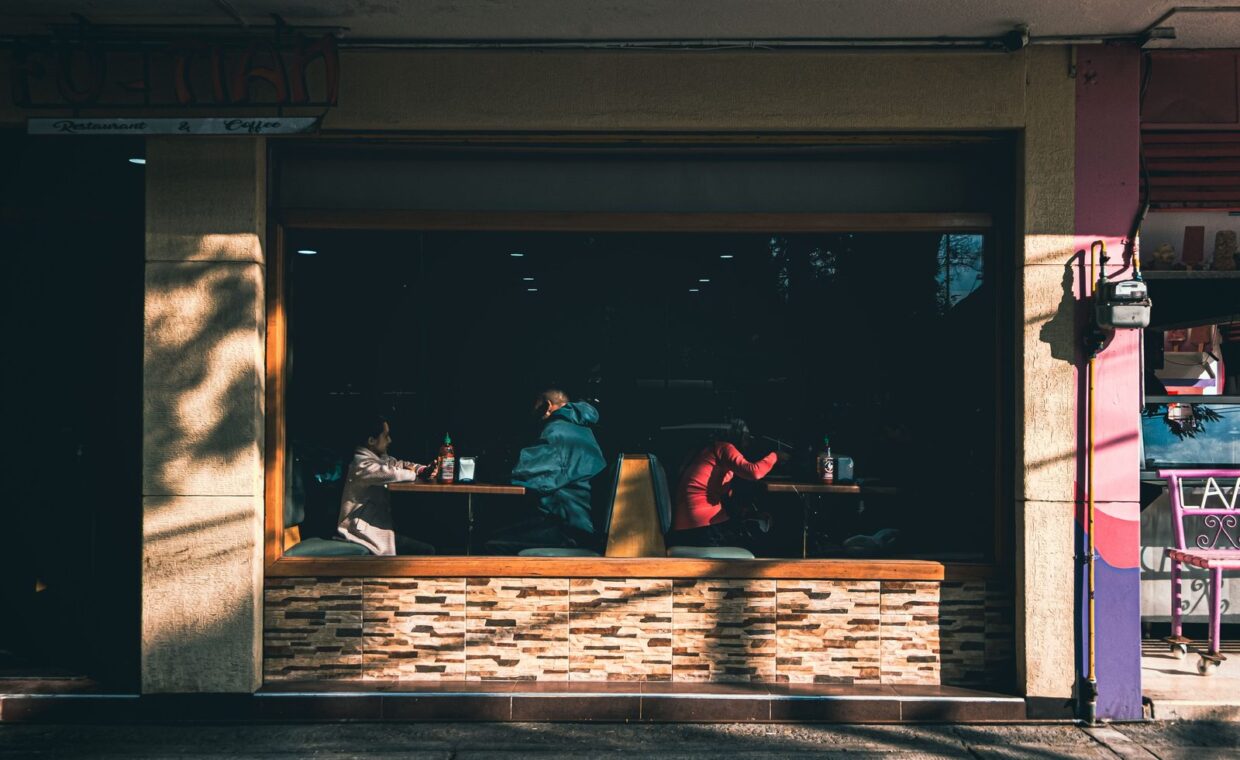
The most reliable signal costs nothing to read: who is standing in line, and what language are they speaking to each other? A lunchtime queue of office workers, builders in hi-vis, a couple of grandmothers with shopping bags, that’s a price-and-quality verdict already delivered by people who eat here fifty times a year. They tried the alternatives and chose this. Trust them more than any review score.
Walk three streets back from the main attraction and find the lunch rush. The busiest plain-looking spot at 1pm, full of work clothes, is almost always your answer.
The flip side is just as telling. A host standing outside with laminated menus, waving you in, calling out in your language, that’s a place hunting for footfall because the food isn’t pulling people in on its own. Genuinely good neighbourhood spots almost never chase you down the pavement.
The menu itself is a confession
Before you sit, read the menu like a document. It tells on the kitchen.
It’s short and seasonal. Eight or ten dishes means they cook those things fresh and often. A laminated tome with ninety items in four languages and a photo of each one means a freezer, a microwave, and a kitchen built for tourists who won’t notice.
It’s in the local language first. A handwritten board in Greek, a chalk scrawl of two daily specials in Portuguese, that’s a kitchen talking to regulars. If the English translation is bigger than the original, you’ve found the markup.
The prices are unremarkable. Honest neighbourhood pricing is almost invisible because it matches the local cost of living. When a coffee or a bowl of noodles suddenly costs what it would back home, you’ve drifted into the tourist zone.
Eat on the locals’ clock
Timing is half of it, and the half most visitors get wrong. Spaniards don’t eat dinner at 6pm; show up then and the only places open are built for foreigners. In much of Southeast Asia the best street food appears at dawn and dusk, not noon, and a kitchen advertising food “all day” is usually serving it reheated.
The cheat code is the set lunch, the Spanish menú del día, the Portuguese prato do dia, the French formule midi: three courses plus a drink for a price that makes dinner look absurd.
Make lunch your main meal abroad. The same kitchen that charges twenty-five for a dinner plate will sell a three-course weekday lunch for ten. Eat big at noon, light at night, and your food budget quietly halves.
The market is the cheat sheet for a whole city
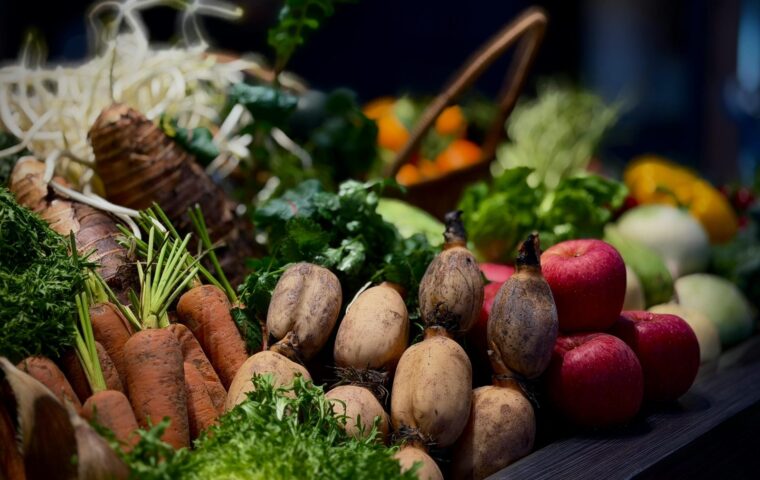
Land somewhere new and want to understand how it really eats? Skip the guidebook and walk straight to the morning market, not the restored, Instagrammed food hall with craft-beer stalls, but the working one where produce arrives on trolleys and the butcher knows his customers by name.
Within twenty minutes you’ll learn what’s in season, what costs almost nothing, and where the shoppers go for lunch. The little counter at the back, with six stools and a pot of whatever’s cheap that week, is some of the most honest cooking in any city, soup or grilled fish for the price of a coffee elsewhere.
Markets are also where careful eaters with dietary needs do best, on fresh single-ingredient food you can see. The same instincts carry over to eating gluten-free on a budget while traveling, where simple local dishes beat anything processed and labelled for export.
The myth worth dispelling: cheap means worse
Plenty of travellers assume the eight-euro pasta must be the lesser one, smaller, rougher, somehow a compromise. The opposite is usually true. The neighbourhood place is cheap because its rent is low, its menu is tight, and its ingredients are local and seasonal. None of that touches the cooking. If anything it sharpens it, because the only thing keeping the lights on is food good enough to bring people back.
The tourist premium buys you a location and a translated menu. It does not buy you a better cook. Often it buys you a worse one.
The marked-up version is paying for the square, the signage and the staff who upsell in five languages, costs that come straight out of the plate. The bargain and the better meal are, almost always, the same table.
A simple routine for any new city
No fluency or foodie reputation required, just a short habit you run on day one:
- Walk outward, two or three quiet streets behind the headline sight.
- Time the rush, go where the local lunch crowd goes around 1pm.
- Read before you sit, short menu, local language, unremarkable prices, no host chasing you in.
- Eat the set lunch, make midday your main meal wherever a menú del día exists.
- Start at the market, one morning walk teaches you the city’s real food economy.
Do this and good eating stops being something you research and becomes something you read off the street. The same instincts work in Lisbon and Hanoi alike, which is partly why the best-value cities where a weekend costs less than dinner back home tend to be the ones where locals still eat out constantly, keeping the honest places busy and cheap.
Isn’t eating where locals eat risky if I don’t speak the language?
Less than you’d think. Point at what the next table is having, learn three or four food words, and lean on the set-lunch boards where you just pick a course. A short menu in a language you don’t read is far easier than a ninety-item one.
How far from the tourist sights do I actually need to walk?
Surprisingly little. Two or three streets back from a major square or station is usually enough to drop the markup. Pricing falls away fast once you’re off the direct sightline of the attraction, so you rarely have to trek far.
Are food markets really cheaper than cooking for myself?
For a solo traveller, often yes, a market-stall lunch can cost less than the ingredients to cook the same thing, with nothing to clean up. Staying longer or feeding a group tips it back toward self-catering, but for a few days on the move the counter is hard to beat.
The next time a pretty terrace on the square waves you over, keep walking. Take the two turns into the quieter street, find the plain room full of people in work clothes, and order what the regulars are eating. It’ll cost less, taste better, and leave you feeling, for one meal, less like a visitor.