
The first thing I smell in Oaxaca isn’t coffee. It’s a comal the size of a tractor tyre, blackened smooth, a woman flipping tlayudas over coals at seven while the market still yawns awake. Forty pesos. I ate standing up, elbow to elbow with taxi drivers, and it remains one of the best breakfasts of my life.
That same evening I paid roughly four times as much to sit down, and I’d do it again too. Because the question isn’t whether street food is cheaper than restaurants. Of course it usually is. The real question is sneakier: at which meal does paying for a chair, a roof, and a slower hour actually buy you something worth the difference?
I’ve tested that across a lot of cities, mostly by accident, sometimes by hunger. Here’s how the value shakes out, meal by meal.
What you’re really paying for at a table
A restaurant bill is never just food. You’re renting time, a seat, shade or warmth, a bathroom, somewhere to charge your phone, and the quiet luxury of not deciding what to do next for forty-five minutes. On a long travel day, that bundle can be worth more than the meal itself.
Street food strips all of that away and hands you back the difference in cash. What’s left is often purer, faster, and closer to how people in that place actually eat. The trade is comfort for immediacy and price.
So I’m not asking which tastes better. I’m asking which one I’d resent paying for, given how I feel and what the meal needs to do for me that day.
Pay for the cart when the food is the event. Pay for the table when the rest, the shade, the seat, the slow hour, is the event. Most overspending happens when travelers get those two backwards.
Breakfast: almost always a standing meal
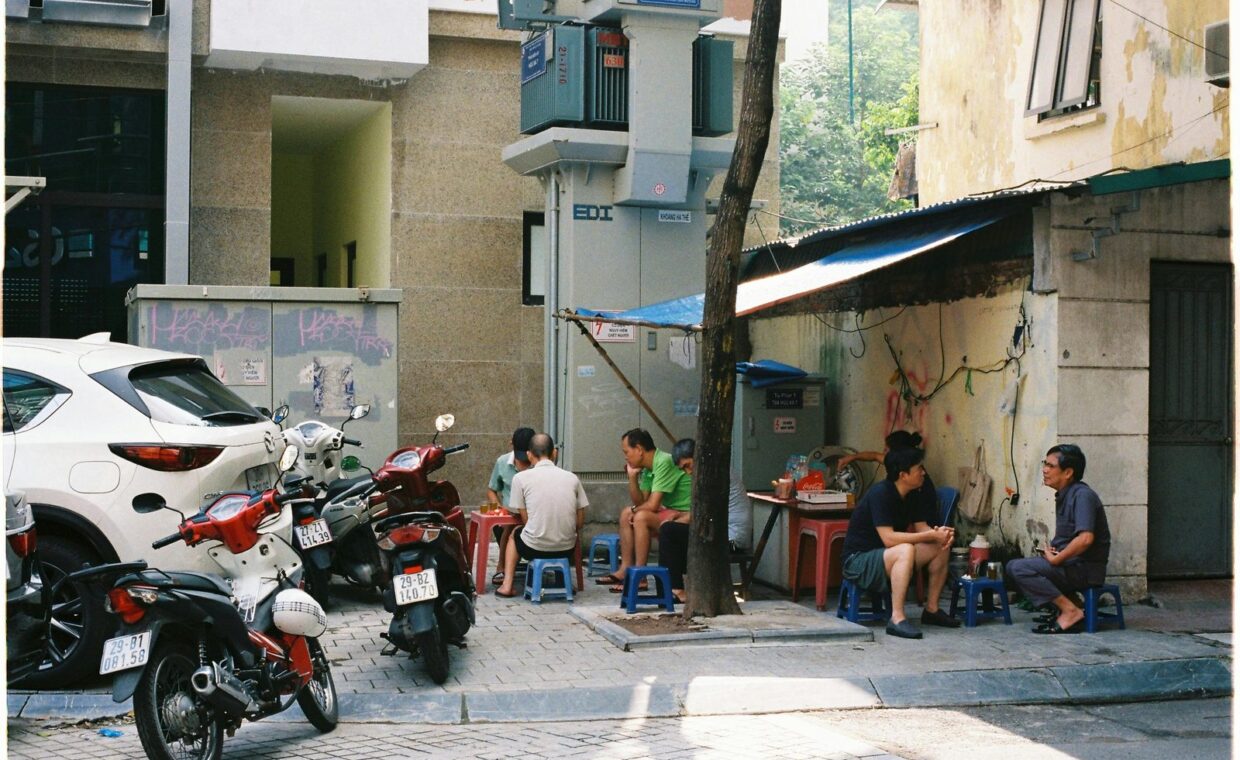
Breakfast is where street food wins by the widest margin, and it isn’t close. A Vietnamese banh mi cart, a Turkish simit seller, a Mexican tamale lady with a steaming pot strapped to a bike, these people have made one thing ten thousand times. It’s hot, it’s handheld, a couple of dollars, and gone before your coffee cools.
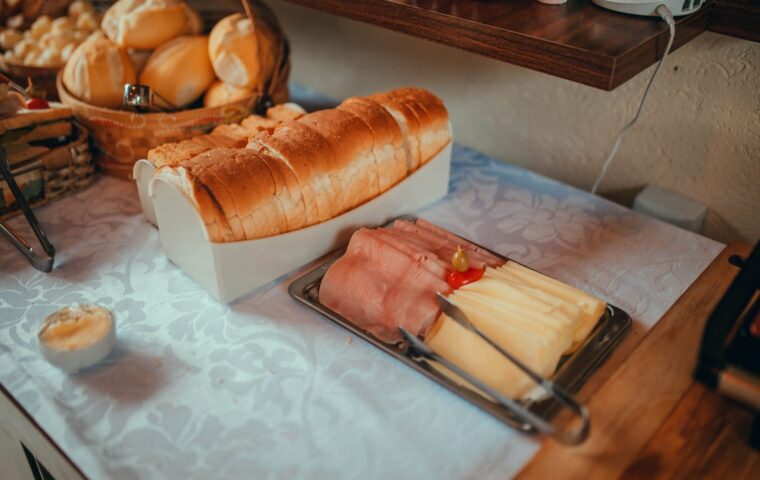
Hotel and café breakfasts, by contrast, are where budgets quietly bleed. You sit down expecting modest and leave having paid sit-down prices for an egg and a sad croissant, plus a service charge for a tablecloth you didn’t need at 8am.
I almost never pay for a restaurant breakfast. The exception is a proper local café ritual, a Lisbon pastelaria with a bica and a warm pastel de nata at the counter, where the room and the rhythm are the point.
Lunch: the meal that swings both ways
Lunch is the genuinely interesting one, because this is where restaurants fight back. In a lot of countries the midday set menu is the best-value sit-down meal of the day. Spain’s menú del día, Italy’s pranzo, the Thai lunch special, three courses for what dinner would cost for one.
Street food still holds its own, especially in markets, where you can graze five stalls for the price of one restaurant plate. But if you want to sit, cool off, and eat real cooking, midday is when the table earns its keep.
On a longer trip, lunch is also where I lean on a third option: cooking. A market shop and a simple meal built from a single hostel pan undercuts both the cart and the café, and gives your stomach a break from constant eating out.
Look for a handwritten daily board, not a laminated photo menu. A short, changing list usually means a small kitchen cooking for locals at lunch prices. A glossy multilingual menu by a landmark almost always means you’re paying the view tax.
Dinner: where I’ll happily pay for the chair
Dinner is the meal most worth a sit-down, and not only for the food. After a day of walking, the value of a cold drink and a real chair and someone bringing things to you is genuinely high. This is where I stop optimizing for price per calorie.
That said, some of my favourite dinners have been street food, and they out-deliver restaurants in the right setting. A Bangkok night market, a Marrakech square at dusk, a Palermo street-food corner, these turn dinner into theatre, an energy no quiet restaurant gives you.
My honest split: in a buzzing food-stall city, I eat dinner on the street most nights and love it. Where evenings are about winding down, I pay for the table and consider it money well spent.
The honest cost-and-value comparison
Numbers help, so here’s roughly how a typical day shakes out in a mid-priced destination. Treat them as illustrative, your city will shift them, but the shape holds almost everywhere.
| Meal | Street food | Restaurant | Where the value really sits |
|---|---|---|---|
| Breakfast | ~$2–4, hot and handheld | ~$8–14, often overpriced | Street, almost always |
| Lunch | ~$4–6 market grazing | ~$8–12 set menu | Toss-up, set menus compete hard |
| Dinner | ~$5–9 night-market feast | ~$15–30 sit-down | Depends on city’s evening mood |
| Comfort extras | None included | Seat, shade, toilet, time | Restaurant, when you need them |
Read down the last column and the pattern is clear. Street food owns the start of the day; the table earns its price when you’re tired, hot, or want a pause rather than a refuel.
Eating where the value actually lives
Whichever side of the counter you choose, the same instinct keeps you out of the overpriced middle: follow the crowd that lives there. A cart with a queue of office workers and a restaurant full of local families both give you the honest price. The empty places with a tout out front, on either side, are where value goes to die.
This is the whole reason I obsess over finding the places locals actually eat before I worry about street versus sit-down. Get that right and both reward you; get it wrong and a bad restaurant and a tourist-trap stall rinse you equally.
Geography matters too. In Portugal a sit-down lunch can be absurdly good value, while in parts of Southeast Asia the street stall is so dominant that restaurants feel beside the point. If you’re choosing a trip partly on food spend, a quick read on how daily costs compare across Iberia tells you a lot about how often you’ll want a table versus a cart.
A simple way to decide in the moment
When I’m standing on a corner, hungry, deciding, I run three quick questions. Am I footsore enough that a seat is worth real money right now? Is this a city where street food is a destination, or an afterthought? And is the restaurant cooking for locals, or for the bus that just pulled up?
If I’m fresh and the street scene is alive, I eat standing and pocket the difference. If I’m wrecked and the stalls are mediocre, I find the busy local restaurant and pay gladly. The mistake is defaulting, always cheap or always comfortable, instead of matching the meal to the moment.
Breakfast: street, nearly always. Lunch: chase the local set menu or graze a market, both win. Dinner: read the city, buzzing food-stall towns favour the street, calm evenings favour the table. Value isn’t the cheapest meal, it’s the right meal for how the day has treated you.
Is street food actually safe to eat on a budget trip?
Generally yes, and busy stalls are often safer than quiet restaurants because high turnover means fresher ingredients and food cooked to order in front of you. Pick vendors with a steady local queue, watch them cook, and favour things served piping hot.
Won’t I miss out on real local cuisine if I skip restaurants?
Often it’s the opposite. In many countries the street and the market are where the most traditional, regional dishes live, while tourist-facing restaurants flatten the menu for foreign palates. Mix both: street for the everyday classics, a table when a dish genuinely needs a kitchen.
How do I budget for food without tracking every single meal?
Set a loose daily food number and let the meals balance themselves. Cheap street breakfasts and the odd self-catered lunch buy you room for one proper sit-down dinner, so you spend where it counts.
I’ve never regretted a meal I ate standing up with the right crowd around me, and rarely regretted a table I earned at the end of a long day. The trick is paying attention, to your feet, to the city, to who else is eating there. Do that, and you eat brilliantly for very little, one well-judged meal at a time.