
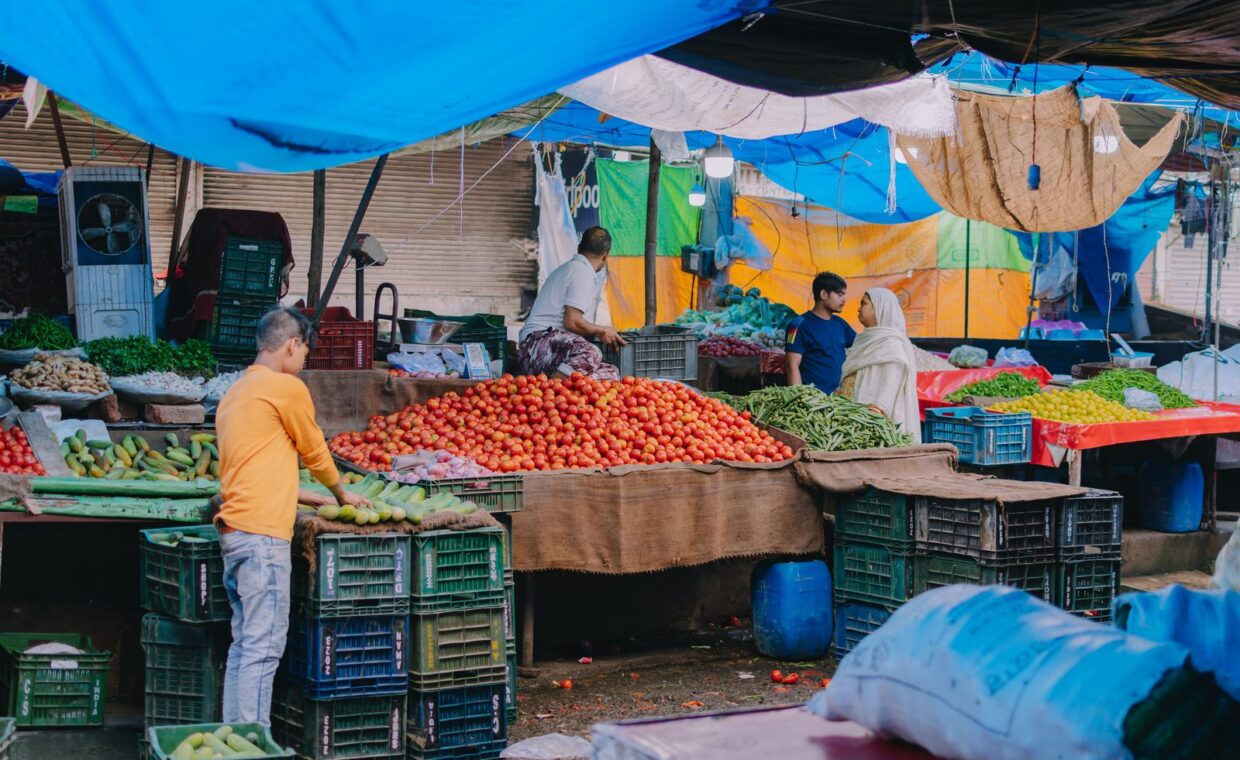
The first thing that hits me at a good market is never a price. It’s the smell, split melons going soft and sweet in the heat, a charcoal grill three stalls down, a woman peeling oranges so fast the spray catches the light. I followed that grill once in Palermo with about eight euros in my pocket and walked out two hours later genuinely full, slightly sticky, and carrying enough fruit and bread to cover dinner.
That’s the trick most travellers miss. They wander a market, buy one overpriced thing near the entrance, photograph a pyramid of spices, and leave hungry. A market isn’t a snack stop. Treated properly, it’s breakfast, lunch, an afternoon graze and the makings of dinner, often for less than a single sit-down lunch would cost you.
Here’s how I work a market from the moment I arrive to the moment I’ve eaten my way through it, without a kitchen and without overspending.
Walk the whole thing before you buy anything
I never buy from the first stall. The produce closest to the entrance is usually the most expensive, it’s paying for the footfall. The same tomatoes, the same cherries, often sit deeper inside for noticeably less.
So I do one slow loop with my hands in my pockets. I’m reading prices, yes, but mostly I’m watching where the locals queue. A line of people who clearly live nearby is the most honest review you’ll ever get. If three grandmothers are waiting at one cheese counter and ignoring the shinier one beside it, that tells me everything.
One full lap, no purchases. Clock the cheapest produce stall, the busiest cooked-food counter, and the bakery. Then double back and start buying. The loop costs you ten minutes and routinely saves a third on the same items.
Build breakfast out of fruit and the bakery
Breakfast is the easiest meal a market gives you, and the cheapest. A handful of whatever stone fruit is in season, a still-warm pastry, maybe a wedge of melon a vendor will slice on the spot, that’s a real morning, and it rarely breaks a couple of dollars.
Buy fruit by the piece when you can, not the kilo. I’ll point at two peaches and one fig rather than committing to a whole bag, and most sellers are happy to oblige a single traveller. The bakery, meanwhile, is where the sleeper deals live: yesterday’s bread at half price toasts up perfectly and makes the backbone of every other meal in this plan.
Use the cooked-food stalls for your one warm meal
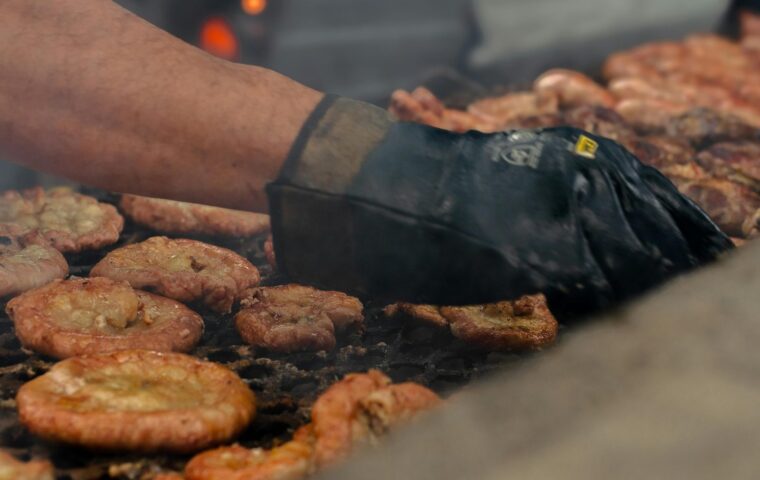
Every market worth visiting has a corner where something is sizzling, simmering or being folded out of dough. This is lunch. You don’t need a kitchen, you need the stall that locals are eating at standing up.
The portions here punch far above their price because the stall isn’t paying for tables, waiters or a view. A bowl of noodles, a stuffed flatbread, a paper cone of fried something, these are the same dishes you’d pay triple for sitting down. If you want the full argument for why that gap exists, I’ve laid it out in my breakdown of street food versus restaurants, but the short version is: you’re paying for the food and nothing else.
Order what’s moving fastest. High turnover means fresher ingredients and a shorter wait, and it means the locals have already done your quality control for you.
Graze the free samples (and ask for them)
Cheese counters, olive stalls, fruit sellers, the man with forty kinds of dried apricot, a lot of them will let you taste before you buy. This isn’t mooching; it’s how the trade works. A small “may I try?” with a smile gets you a sliver of pecorino or a single date almost every time.
I treat this as an afternoon snack with a purpose. I’m tasting my way toward what I’ll actually buy for dinner, and I’m picking up little bites along the way. Buy something modest from a vendor who’s been generous, a hundred grams of olives, say, and the exchange stays friendly rather than feeling like a con.
Fruit and a pastry for breakfast, around $2. A cooked-stall lunch, roughly $4. Olives, cheese and bread assembled into dinner, about $6. Call it $12 for a day of varied, genuinely good eating, less than one tourist-strip plate of pasta in most cities.
Assemble a no-cook dinner from the counters
Dinner is where the market really earns its keep, and you still don’t need a stove. A wedge of cheese, some cured meat or marinated vegetables, bread from this morning, a handful of olives and a tomato you’ll eat like an apple, that’s a picnic that would cost a fortune dressed up on a restaurant board.
Ask for small quantities and don’t be shy about it. “Just a little, for one person tonight” gets me an end-piece of cheese and a few slices of ham more often than not, sometimes at a discount because it clears their odds and ends. Take it back to a park, a harbour wall, your hostel terrace, and you’ve got dinner with a view for the price of a coffee.
Go back at the very end of the day
The last hour of a market is a different shop entirely. Vendors don’t want to cart perishables home, so prices soften fast. I’ve watched a fish seller halve his board with twenty minutes left, and bakeries practically give bread away at closing.
If your plan is flexible, do breakfast and lunch on the early loop, then circle back near closing for the cheapest possible dinner haul. It takes a little patience and a willingness to eat whatever’s left rather than what you’d pick first, but the savings are real and the food is the same.
Carry small notes and coins, many stalls won’t break a large bill, and the “no change” shuffle is how rounding-up overcharges happen. Have your own bag ready too; some sellers add a little for one, and it’s cleaner to refuse politely than to argue after the fact.
Where this plan goes furthest
This approach works almost anywhere with a real food market, but your money stretches dramatically further in some regions than others. The same eat-the-market day that costs $12 in southern Europe can come in under $5 across much of Southeast Asia, where the markets are the heart of how people actually eat. If that’s where you’re headed, it’s worth reading up on where your money goes furthest in Southeast Asia before you pick a base.
And once you’ve got the rhythm of a market down, the wider world of cheap eating opens up, the grilled, fried and folded things sold from carts just outside. I keep a running love letter to those in my roundup of the best cheap street foods worth crossing a city for.
Frequently asked questions
What if I don’t speak the language?
Pointing and holding up fingers gets you almost everywhere. Learn three words, hello, thank you, and “a little”, and you’ll be fine. Vendors deal with confused buyers all day; a smile and a gesture toward what you want does most of the work.
Is market food safe to eat without cooking it?
Fruit you can peel or wash, cured meats, hard cheeses, olives and bread are all built to be eaten as-is. Stick to high-turnover stalls for anything cooked, eat it while it’s hot, and skip raw items you can’t rinse if you’re unsure of the water.
When’s the best time to go?
Early morning for the freshest produce and the bakery, or the final hour for the deepest discounts. Mid-morning is the worst of both, picked over and still full price. I usually do an early loop and a closing-time return if I can.
A market rewards the unhurried. Walk it twice, follow the locals, ask for small amounts, and you’ll eat better on twelve dollars than most people manage on forty. Bring an appetite and a little curiosity, the cheapest, best meals of your trip are usually waiting under a striped awning somewhere you almost didn’t bother to look.